Stone Painting
Marble Pictorial Annals
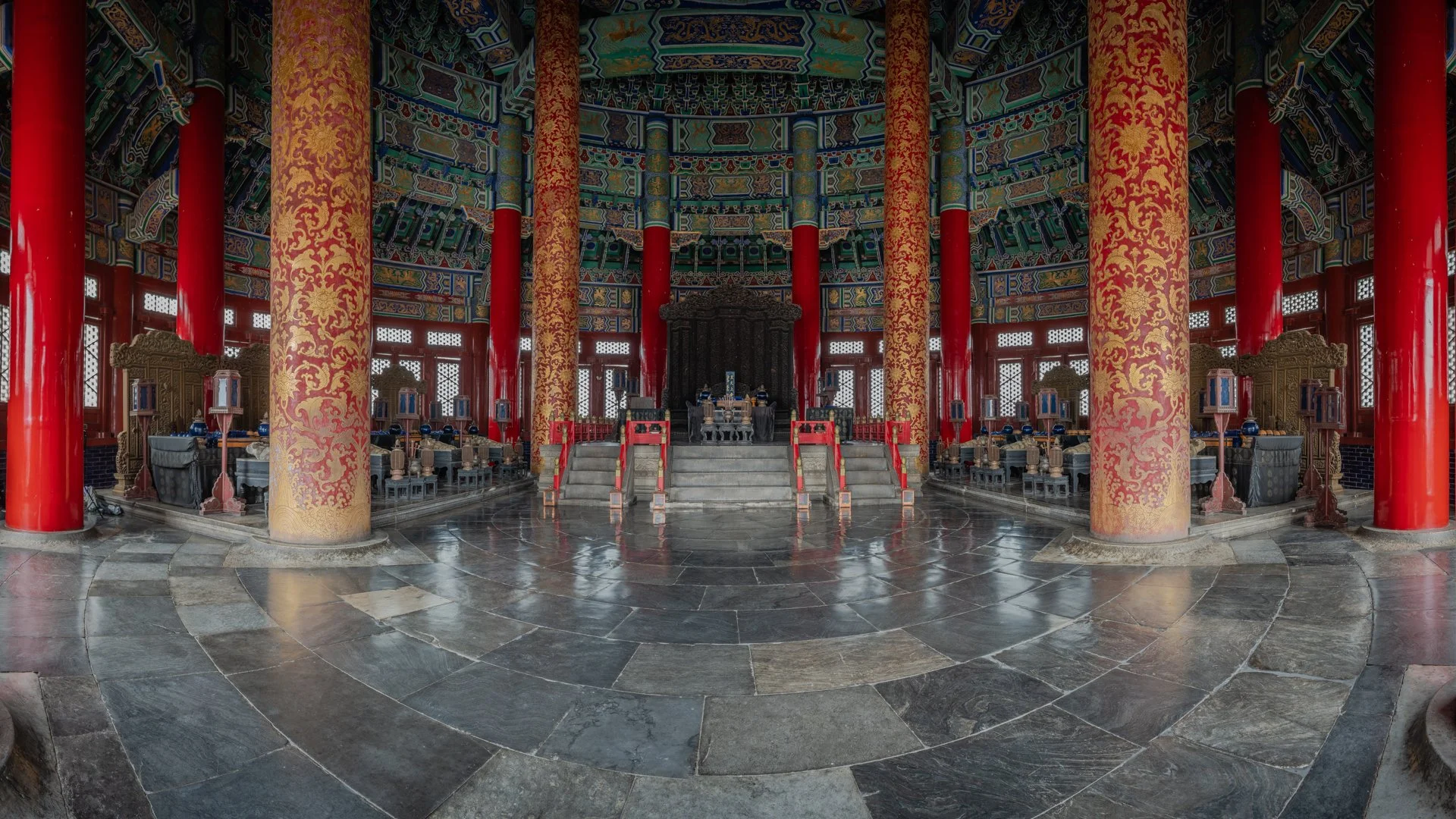
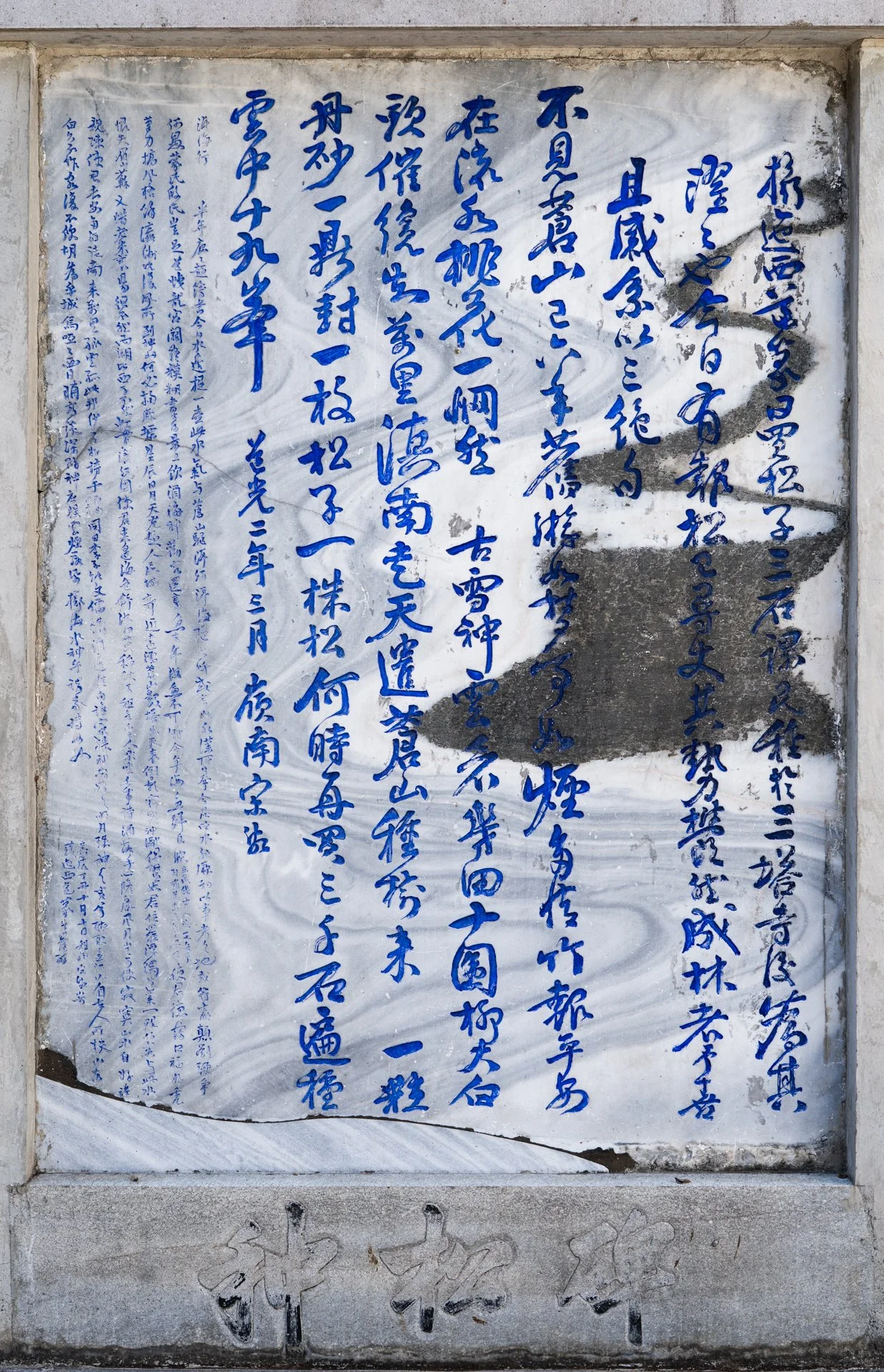
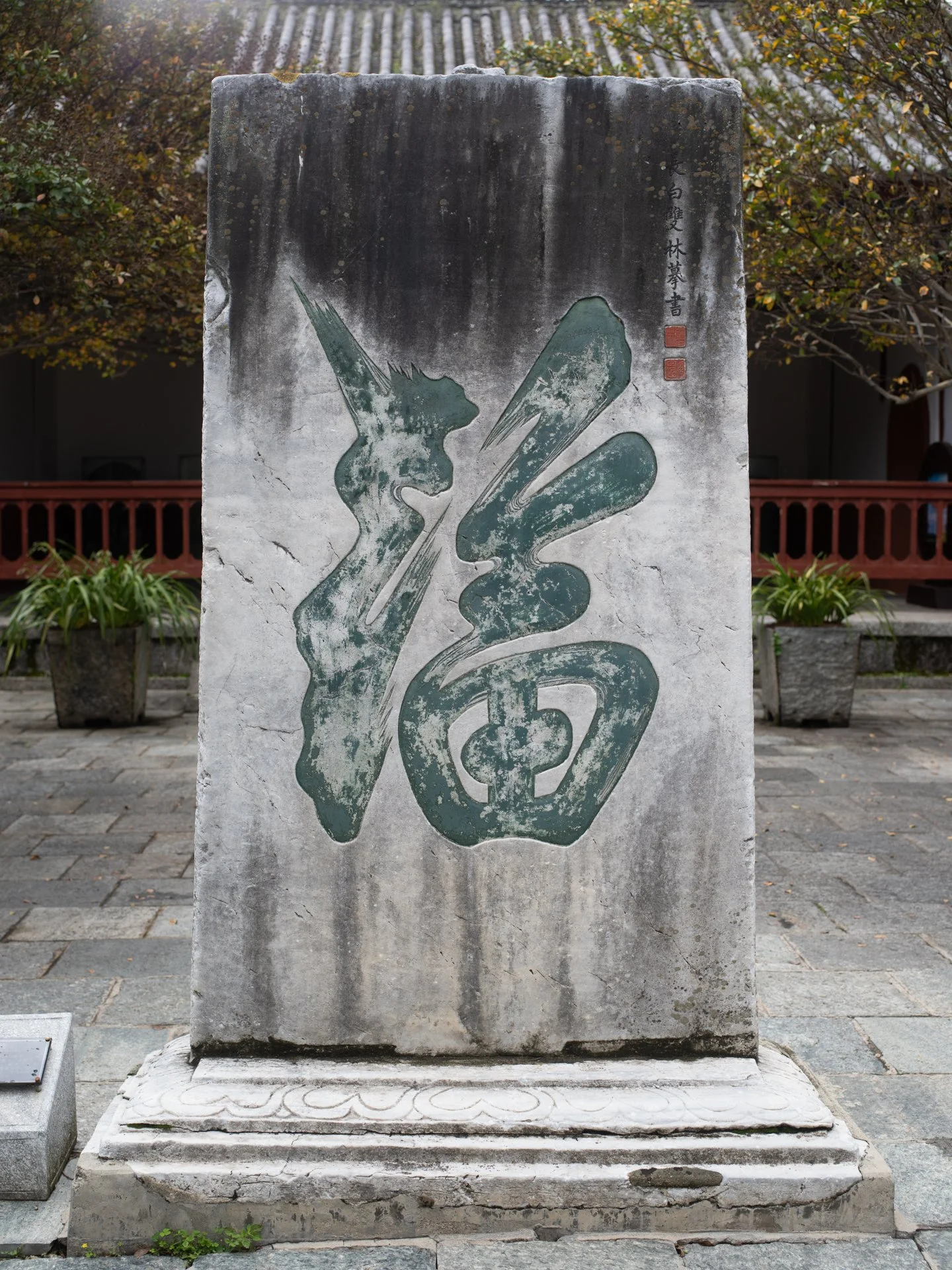
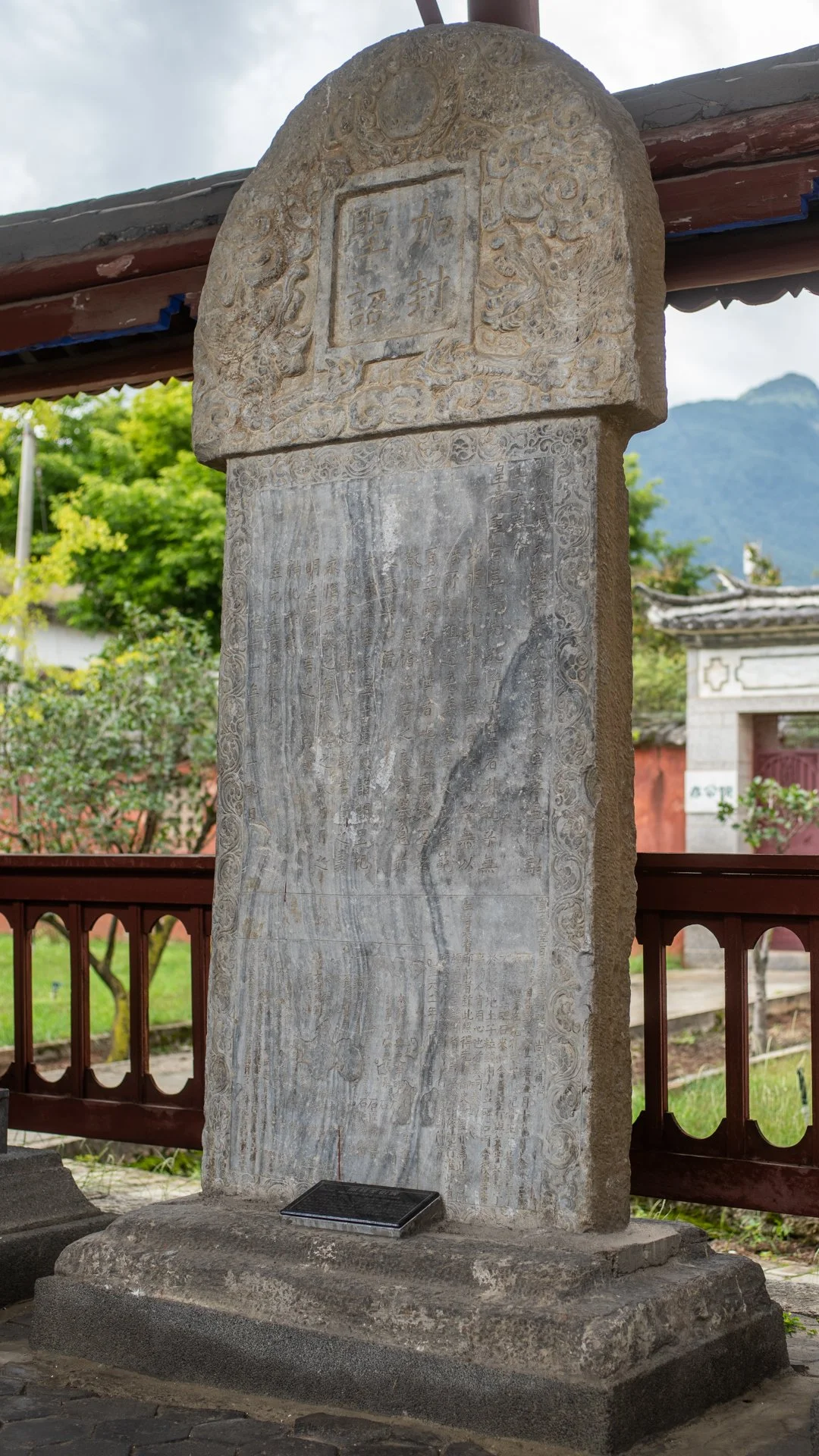
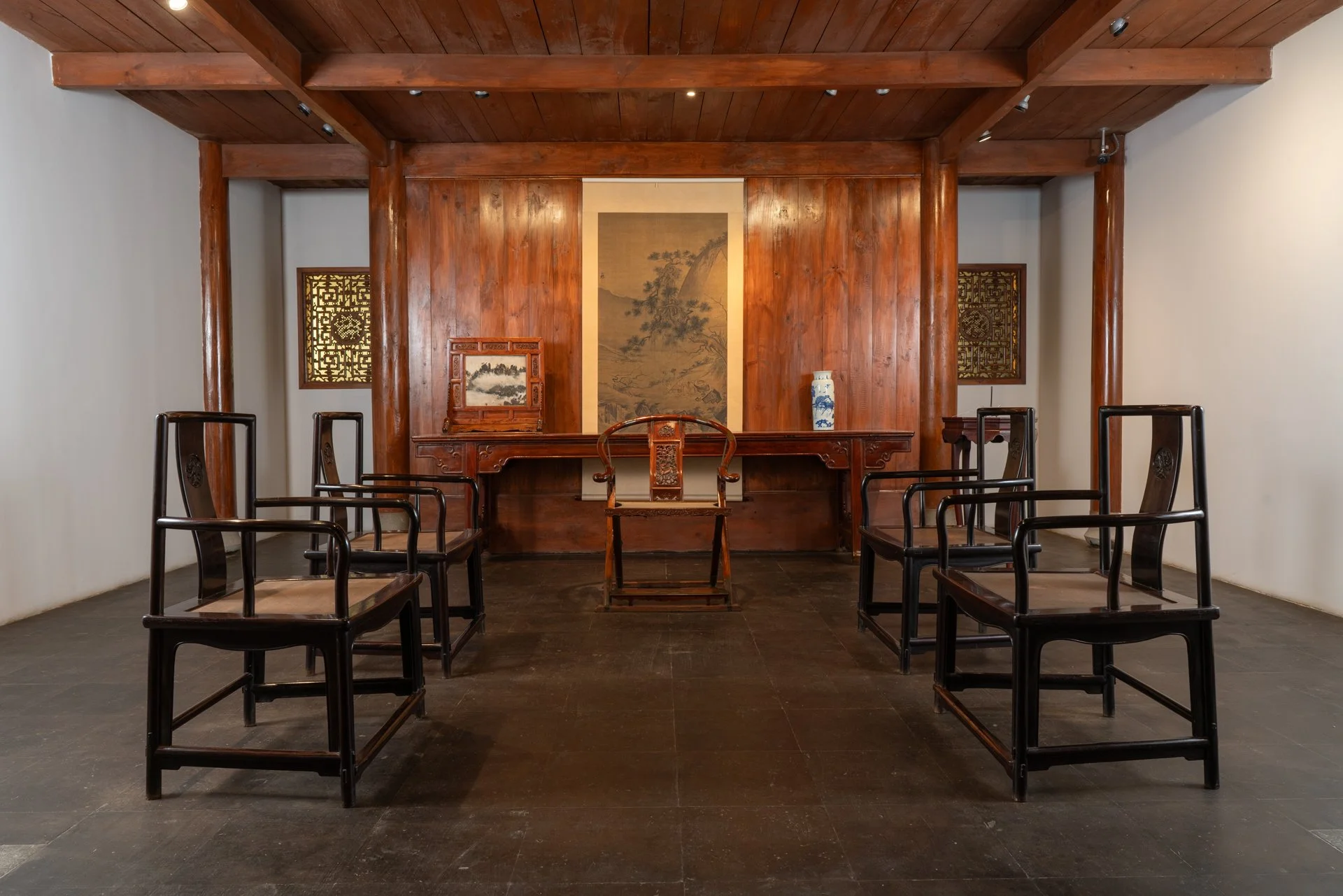
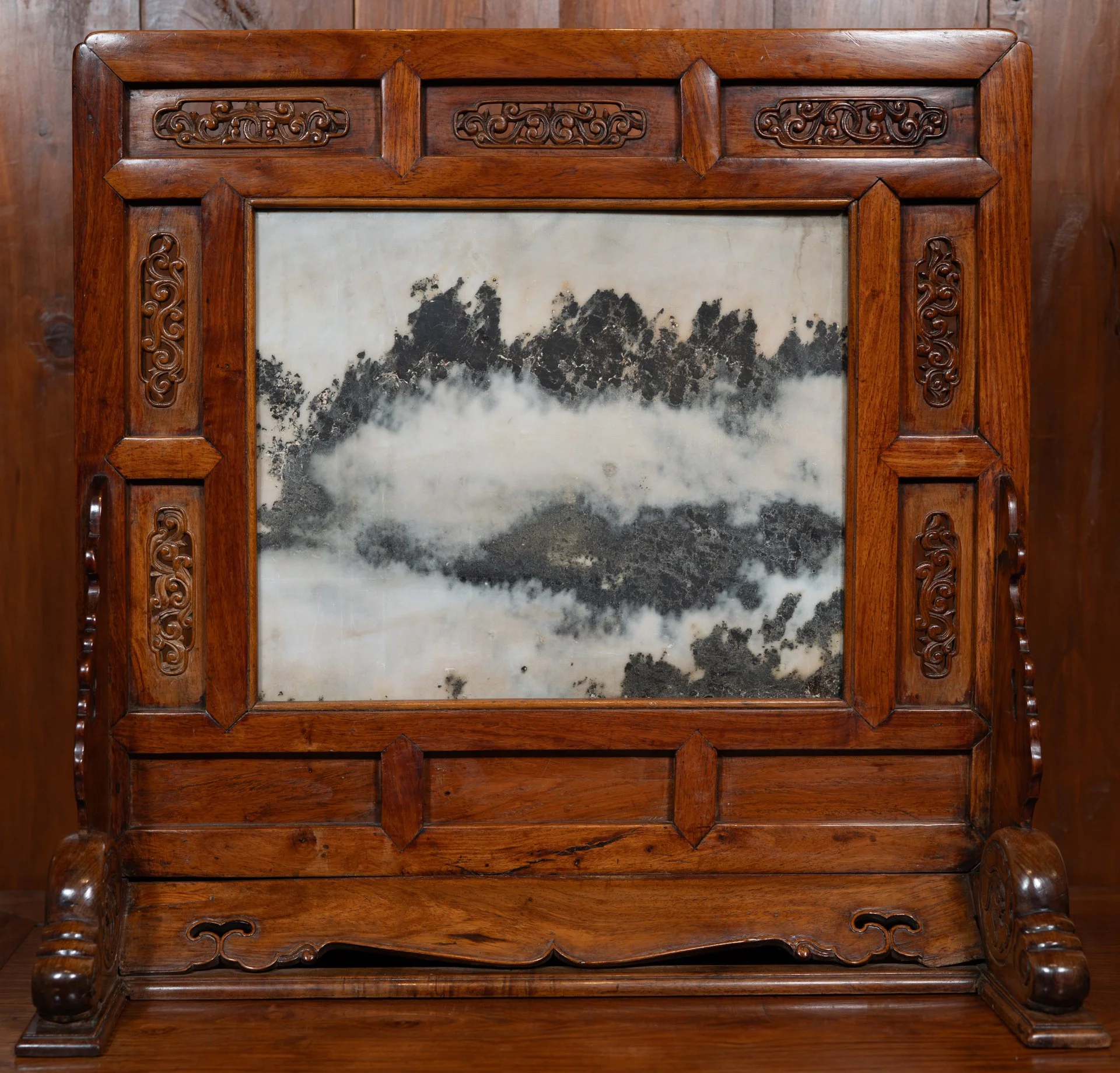
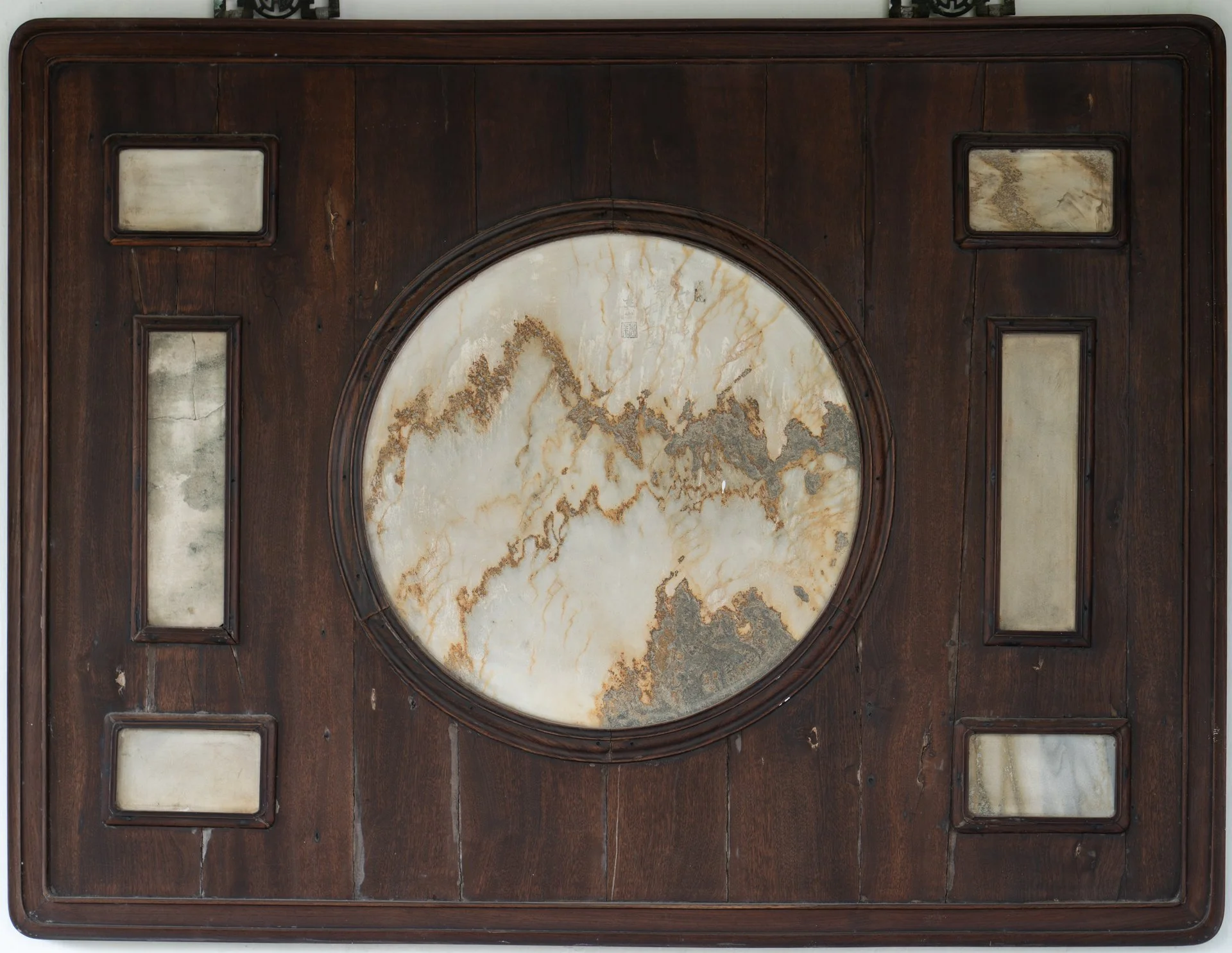
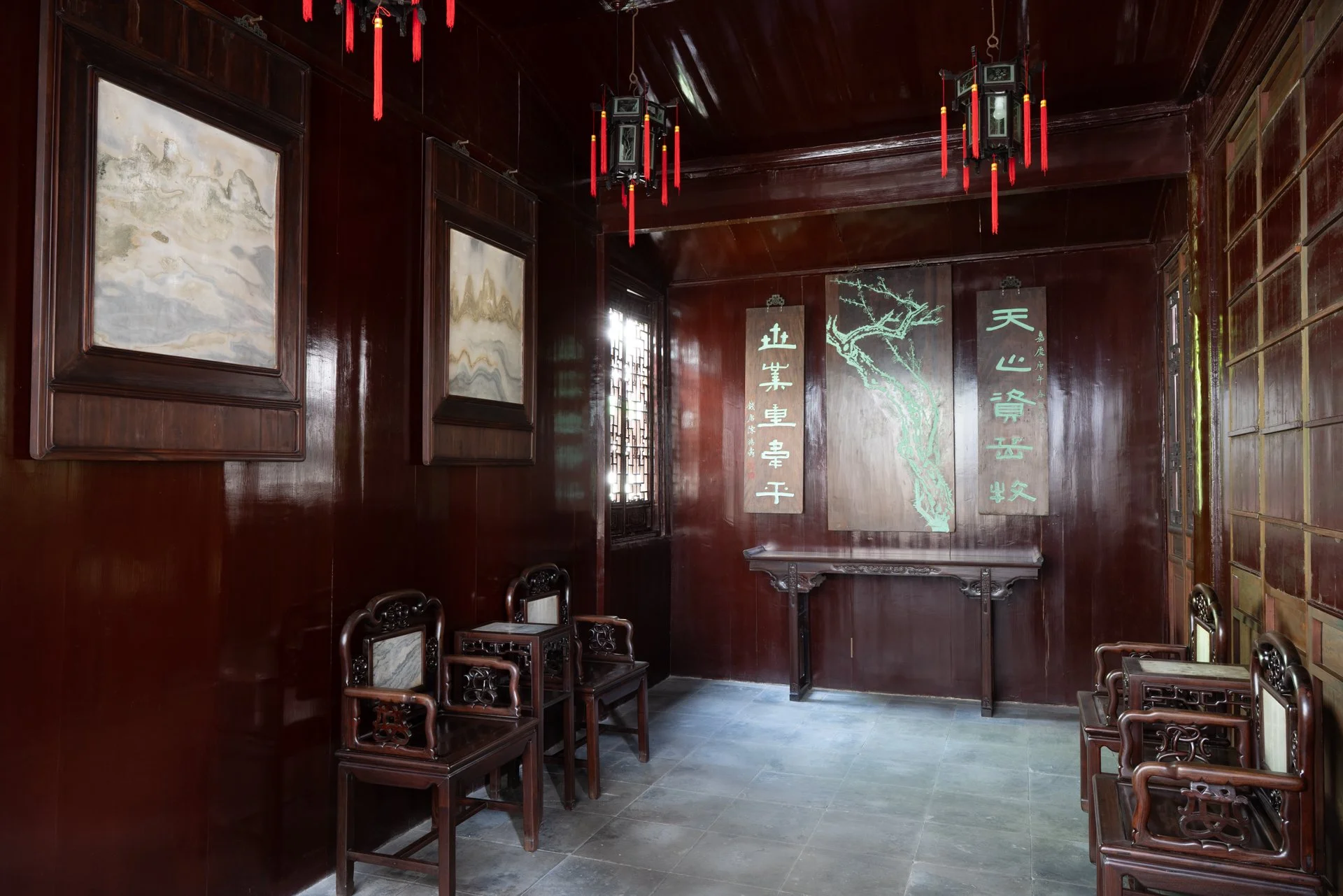
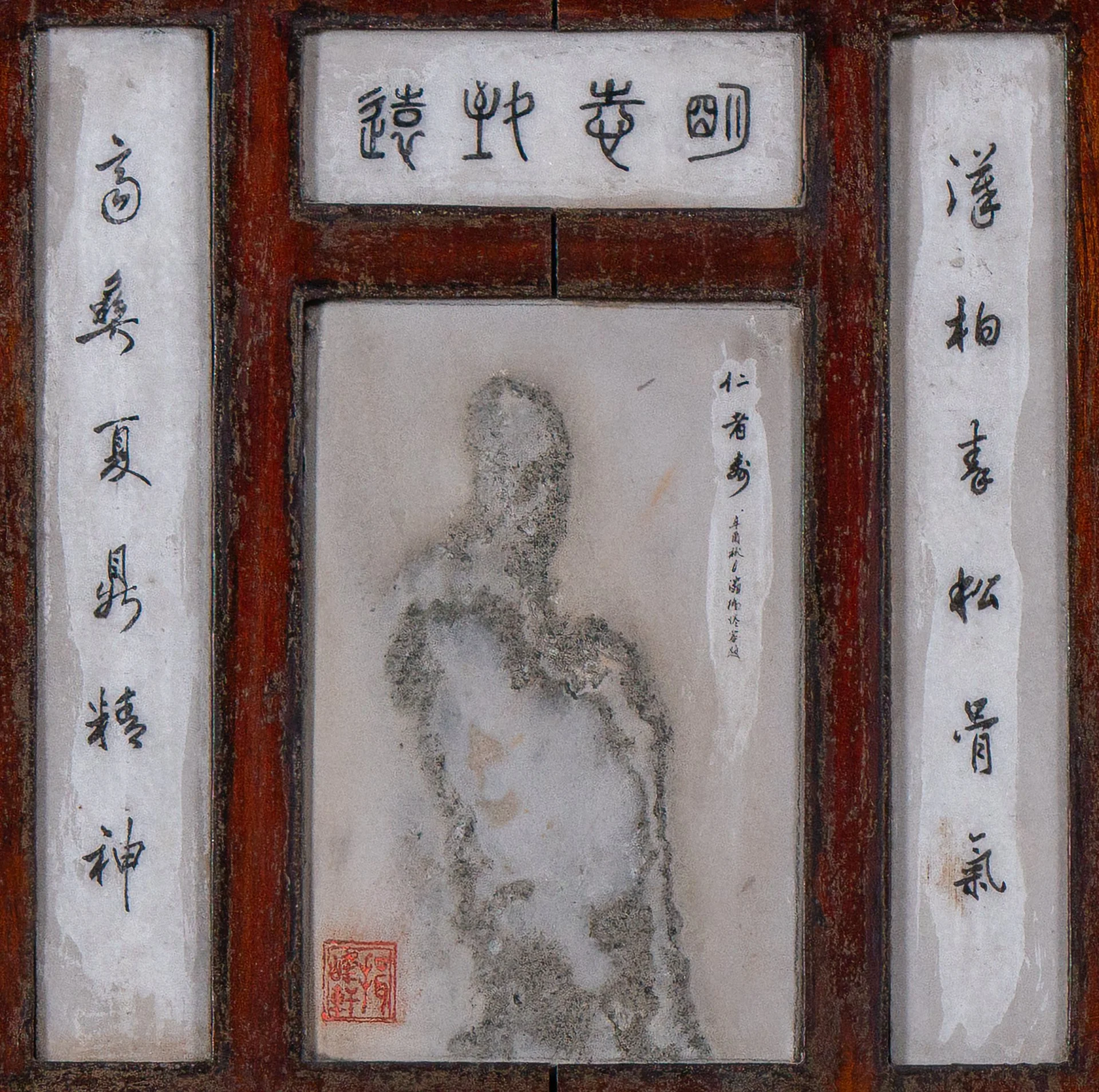
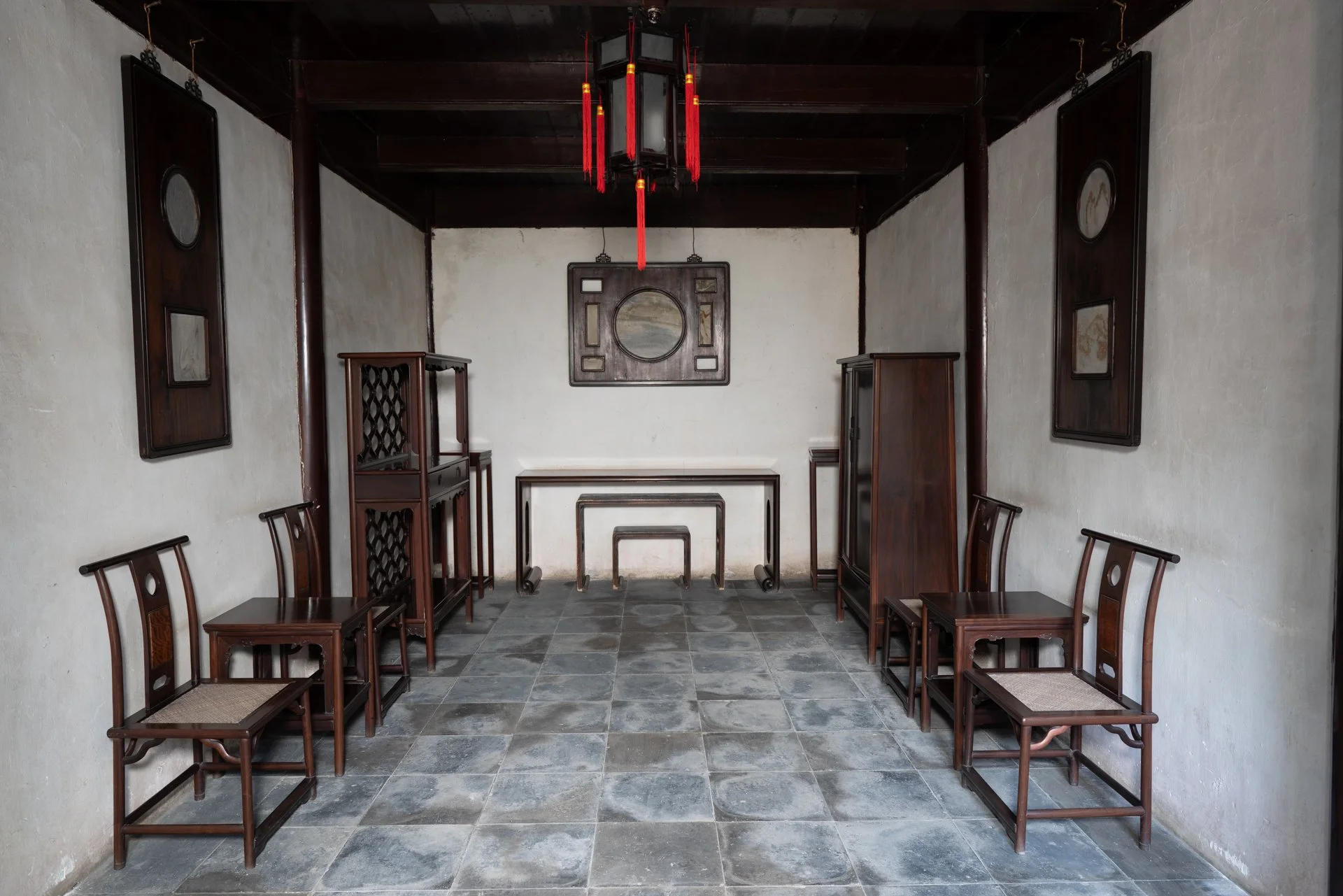
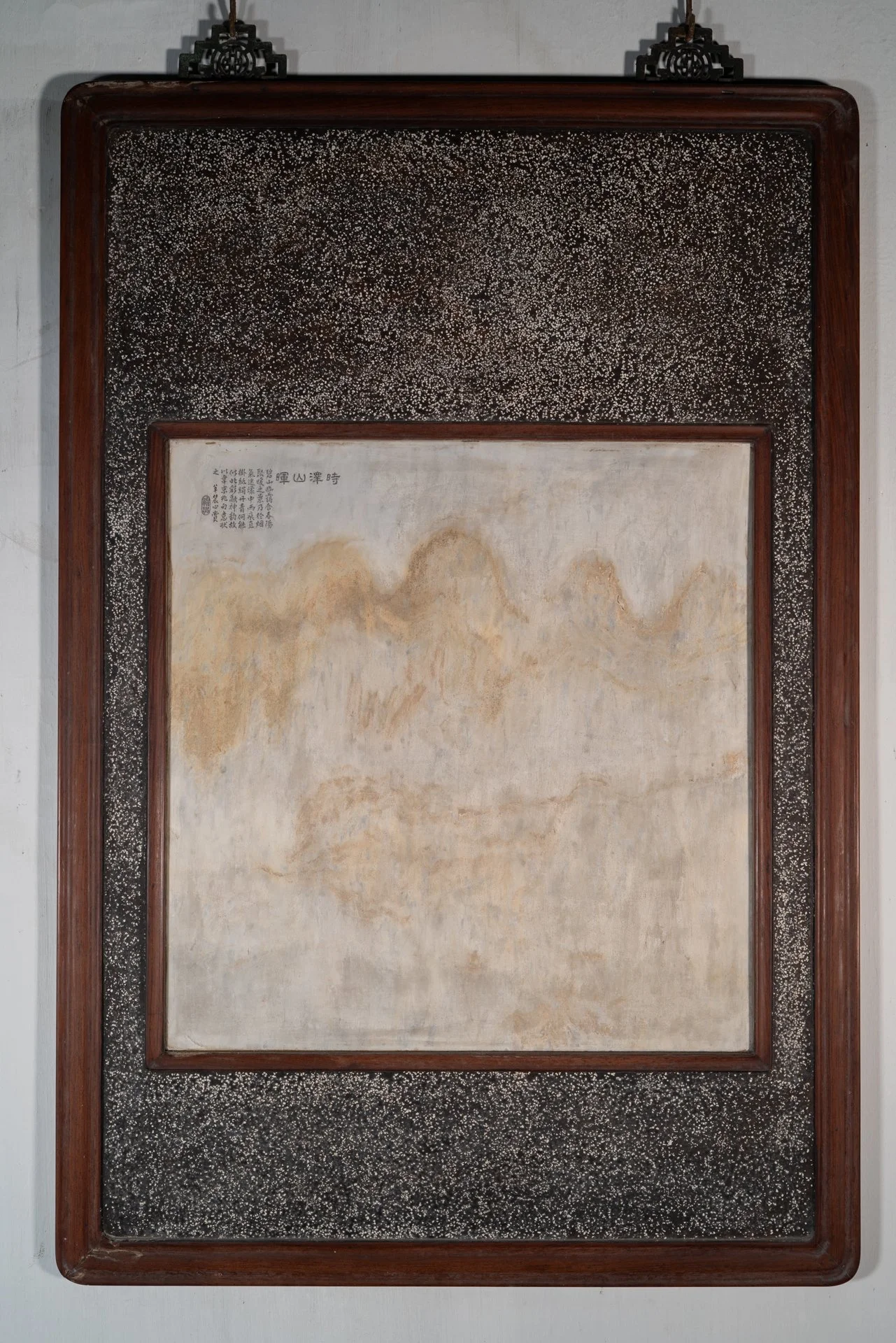
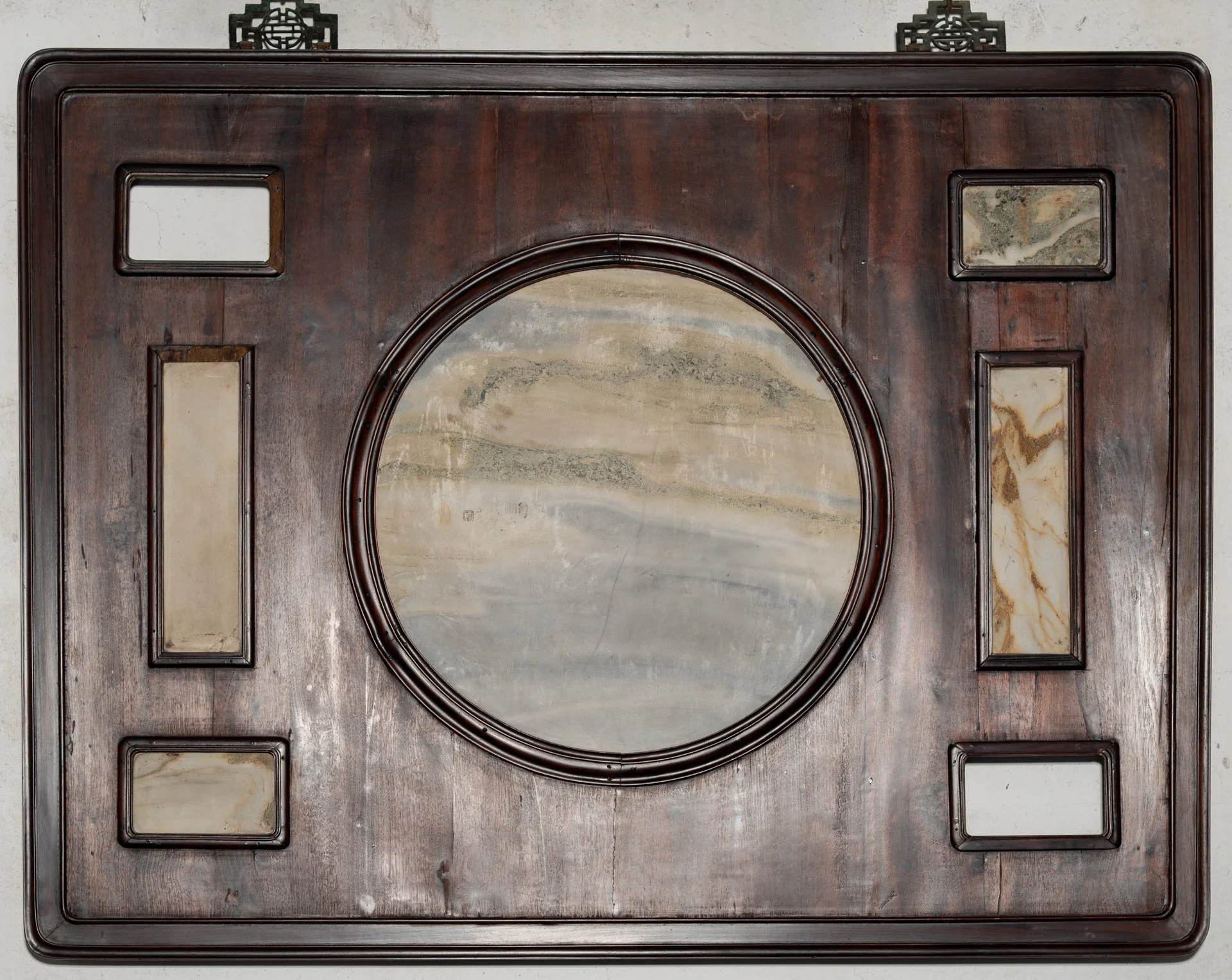
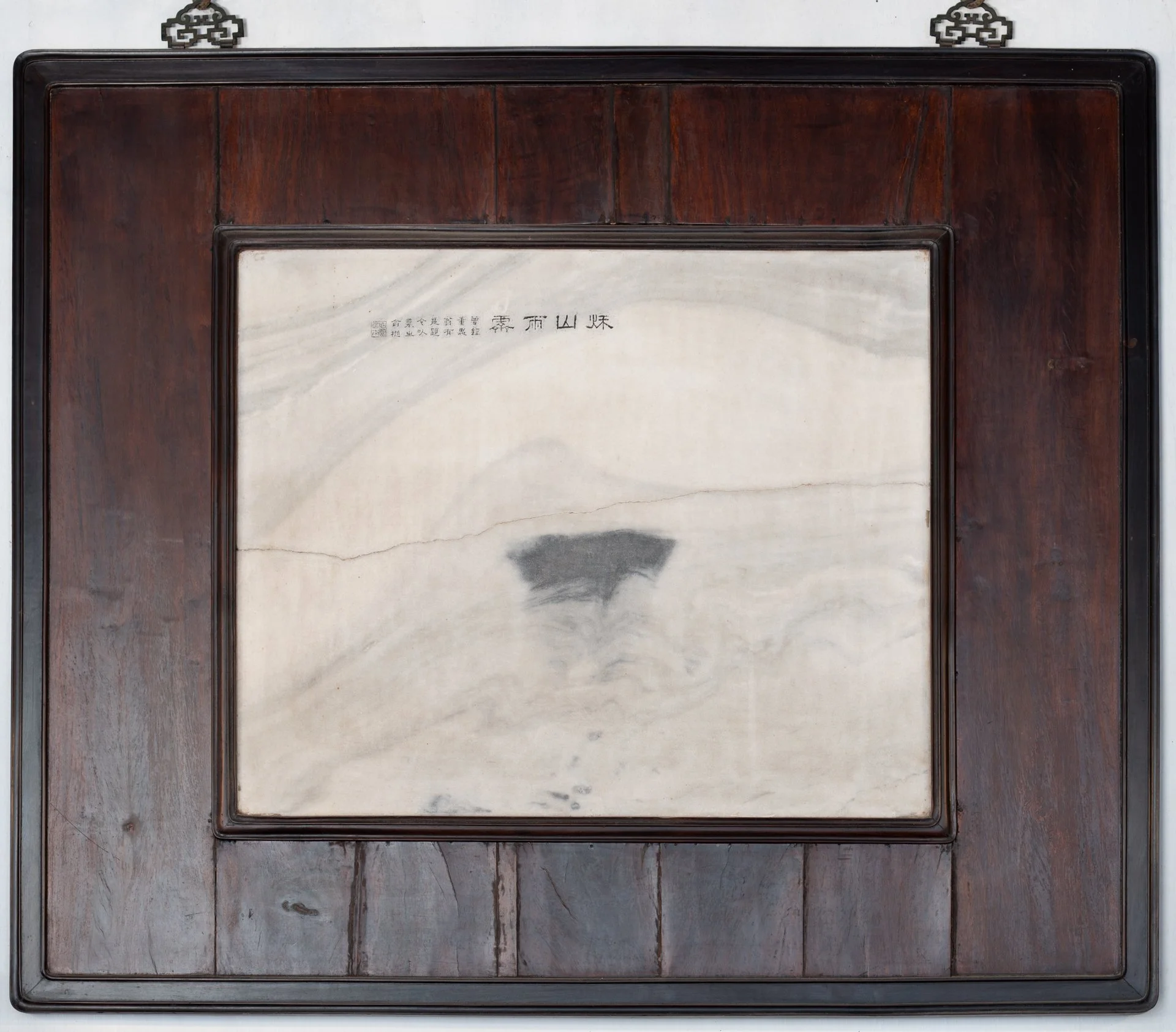
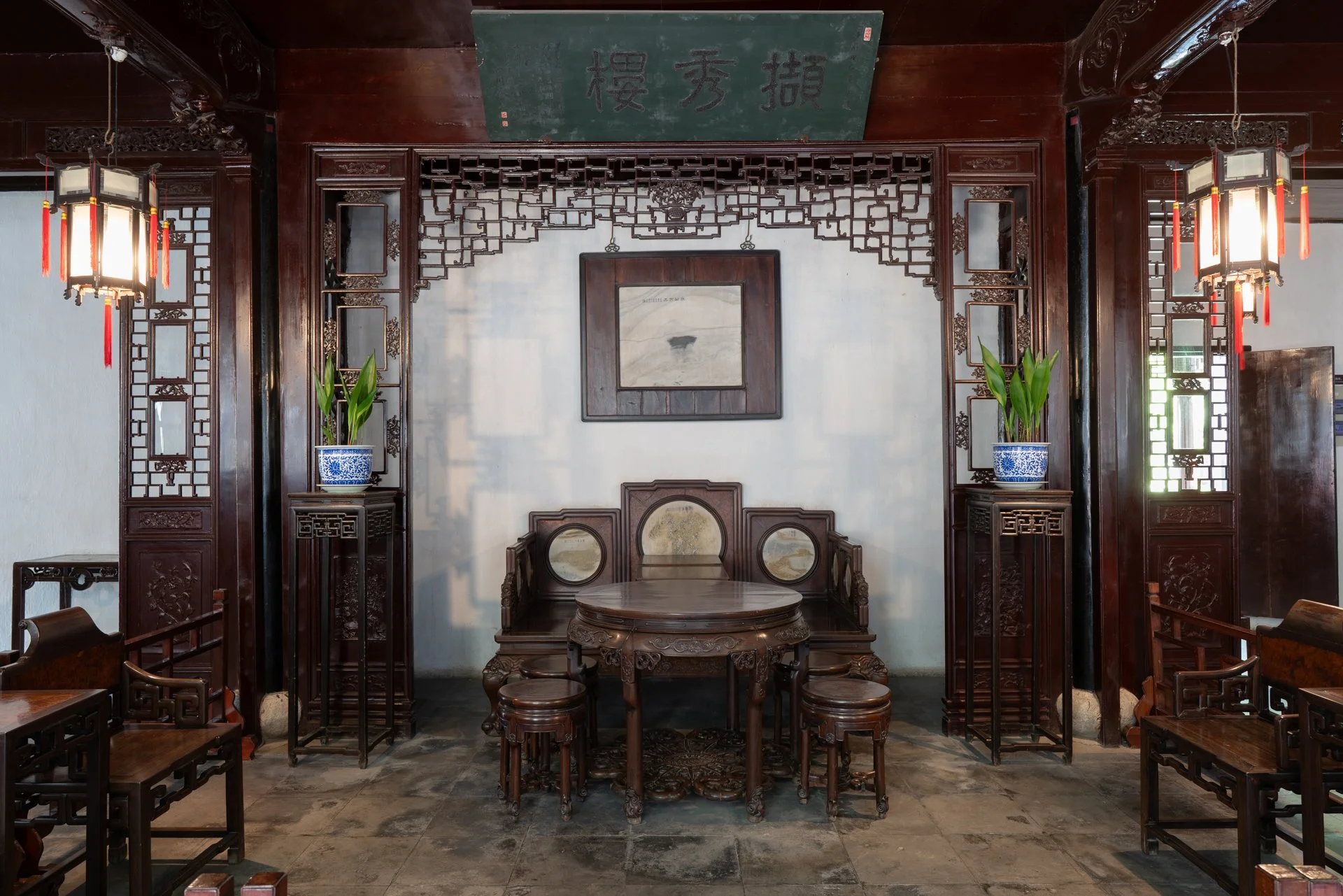
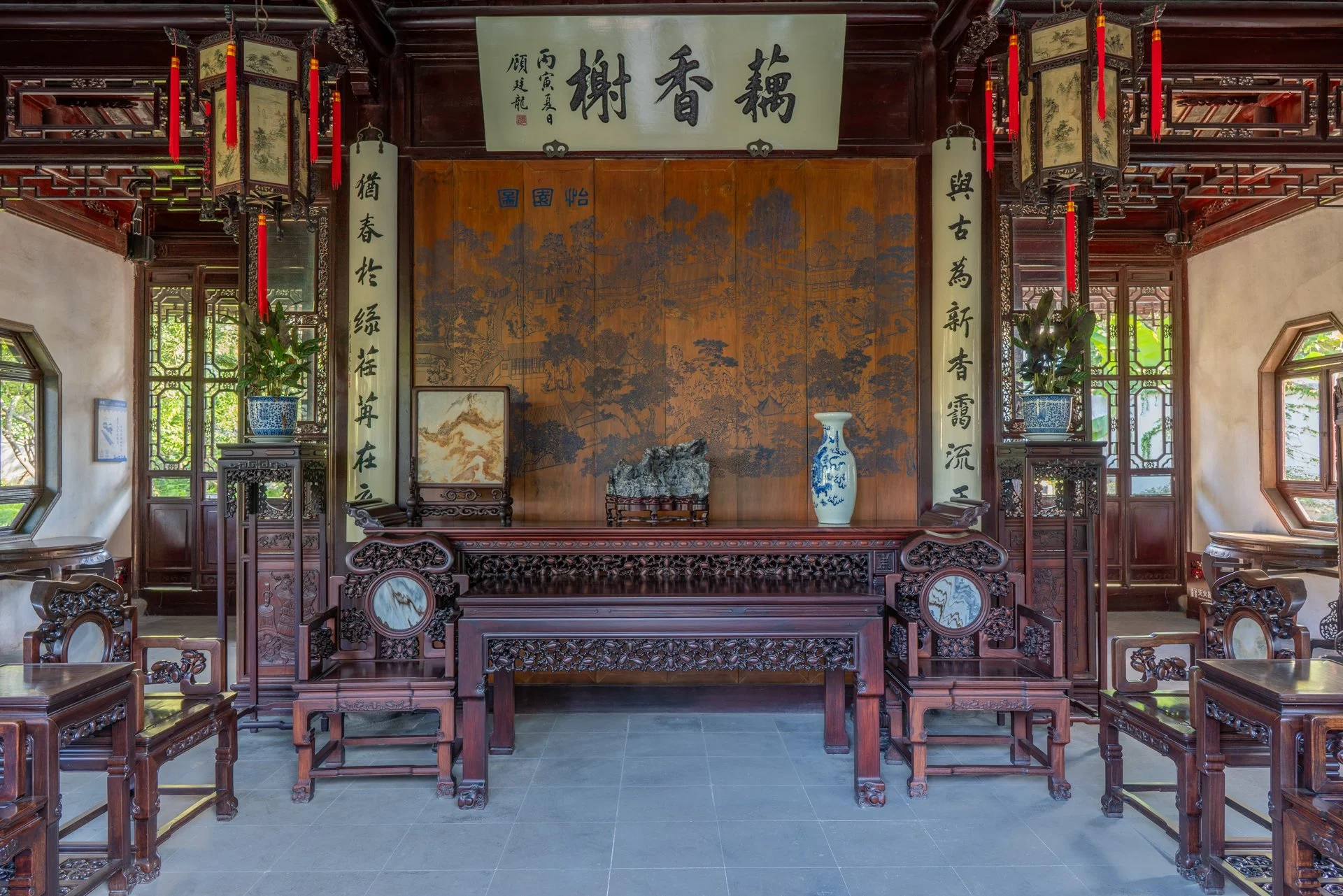
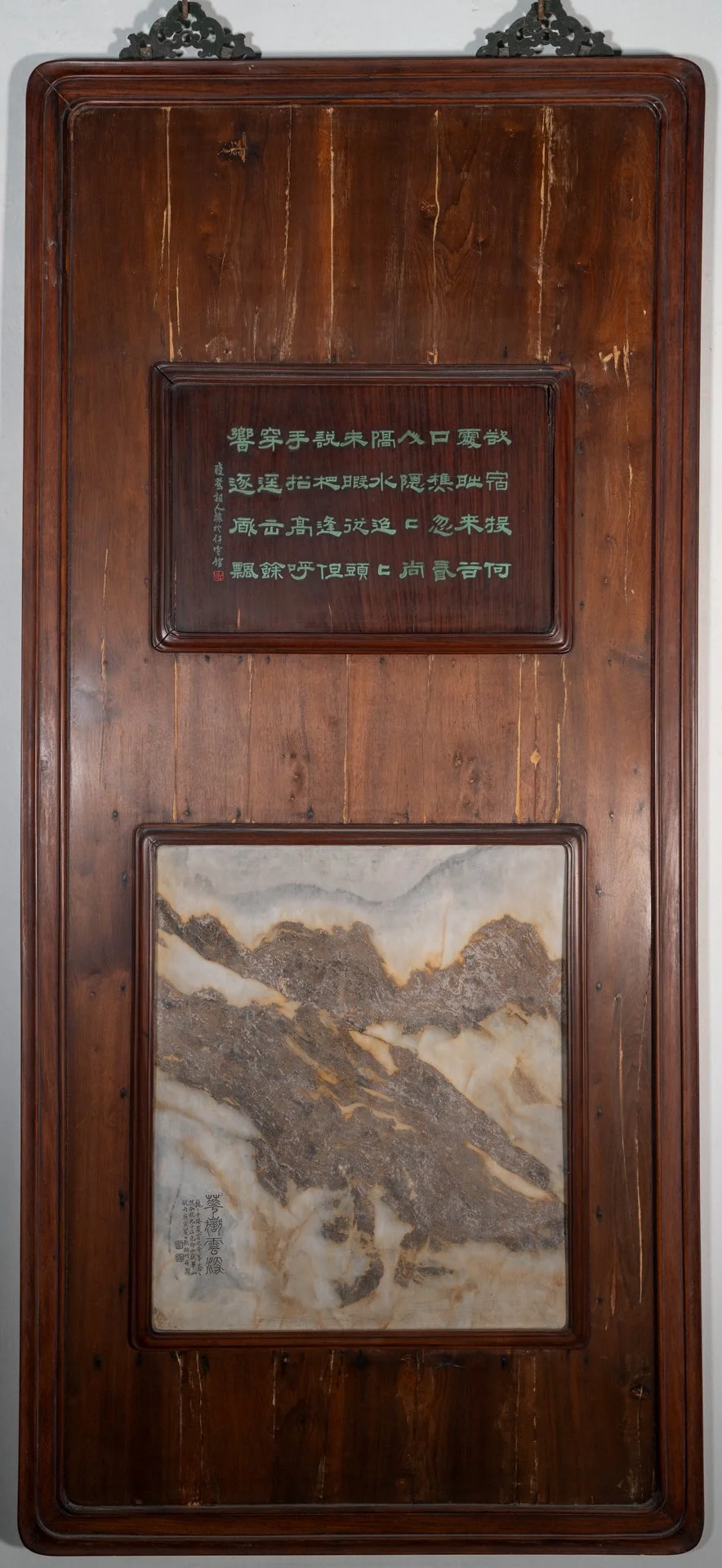
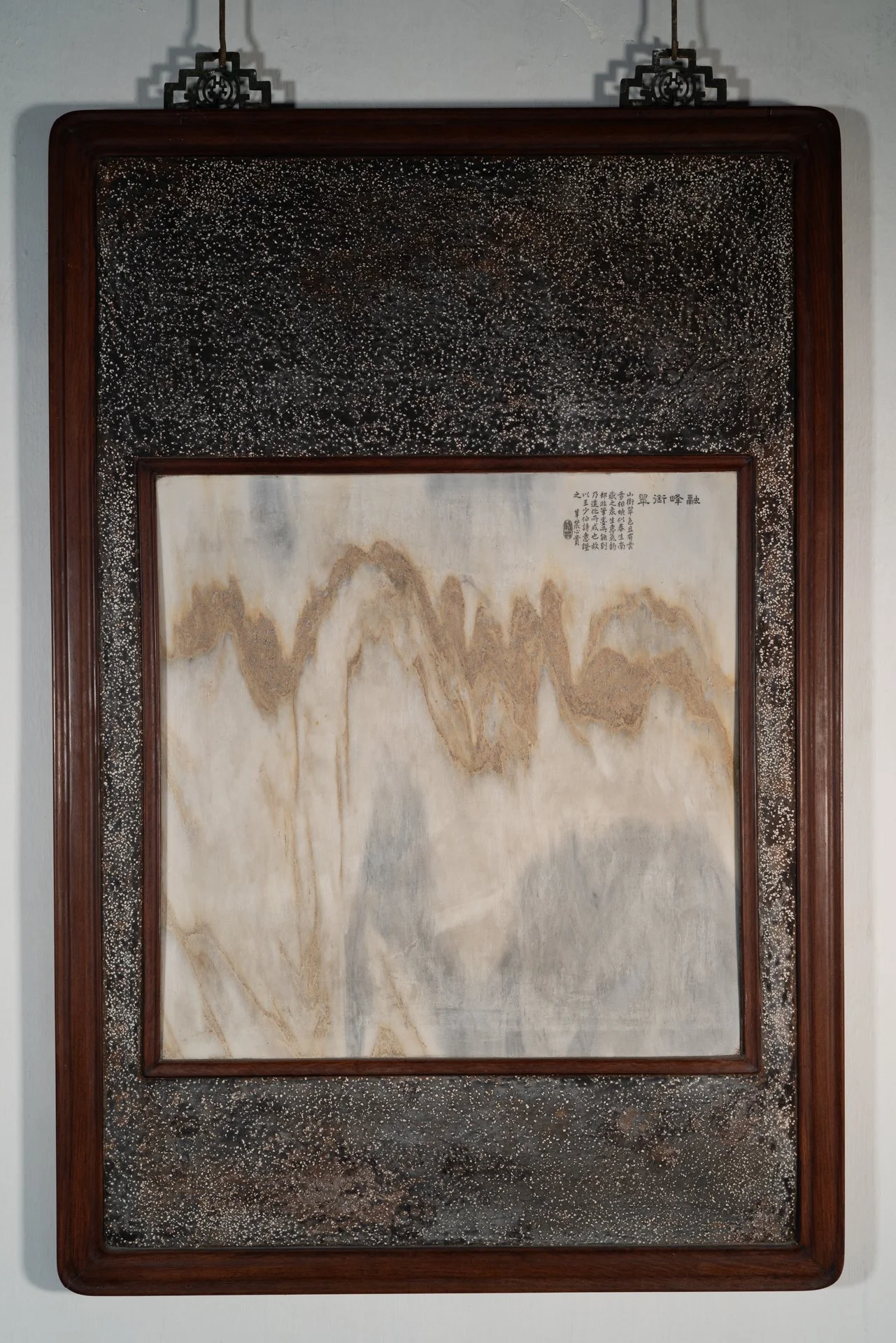
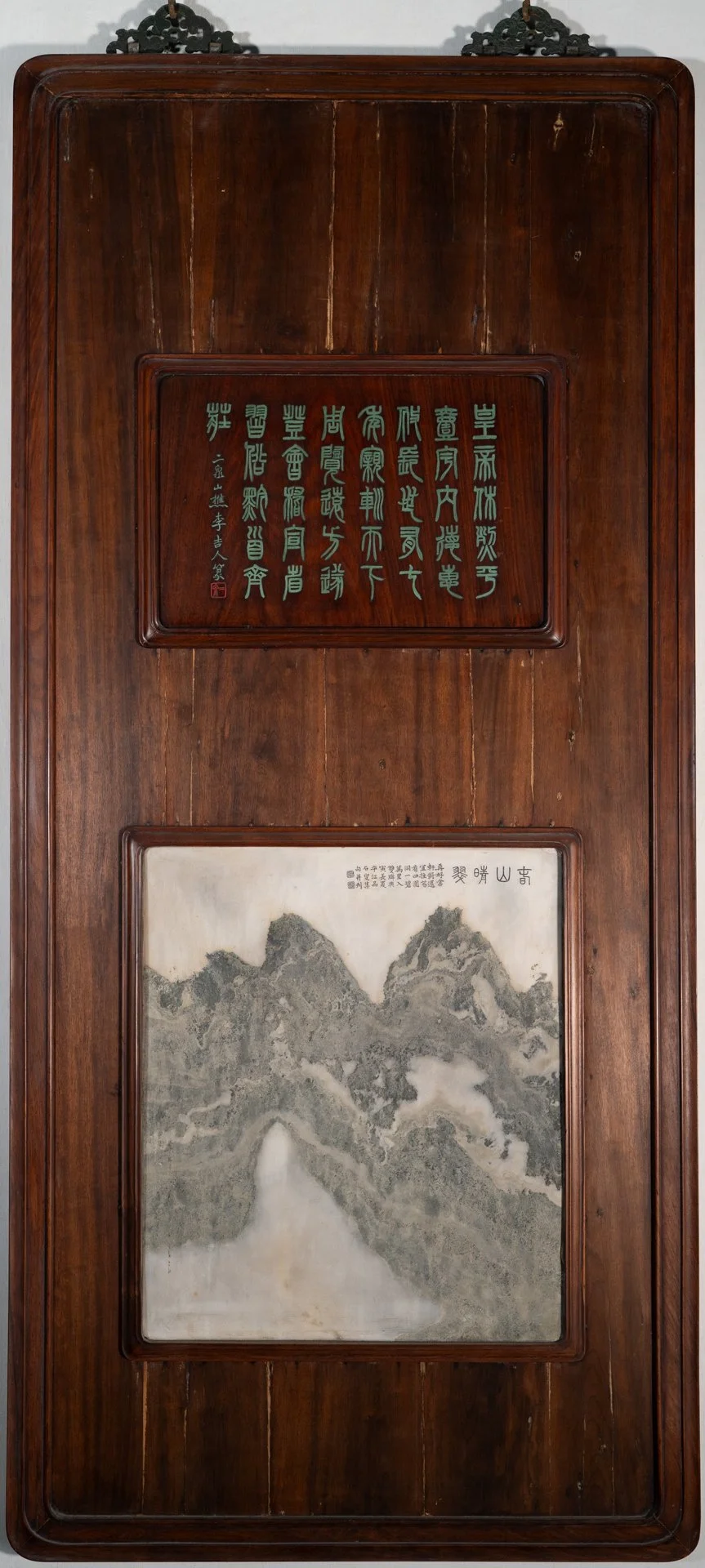
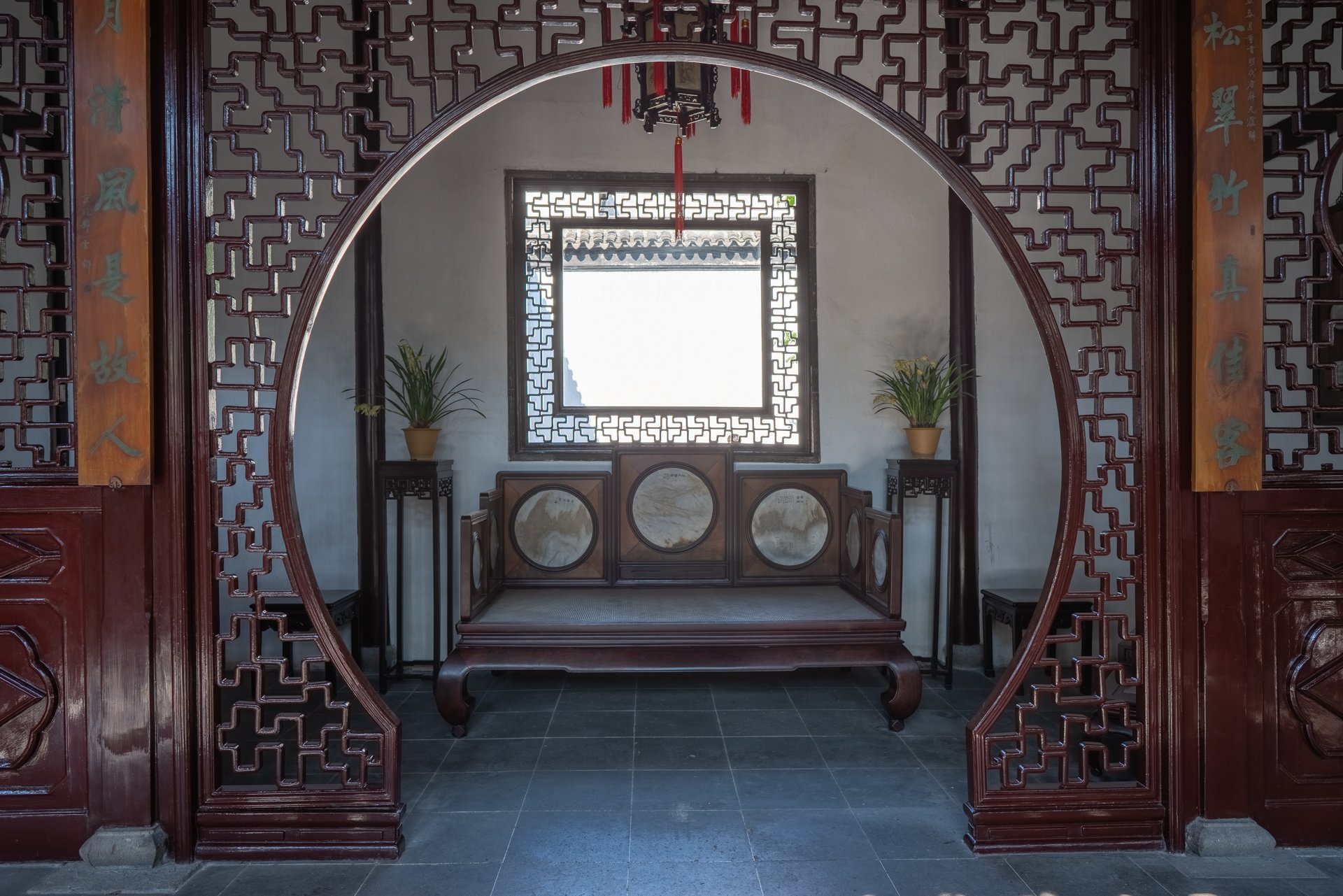
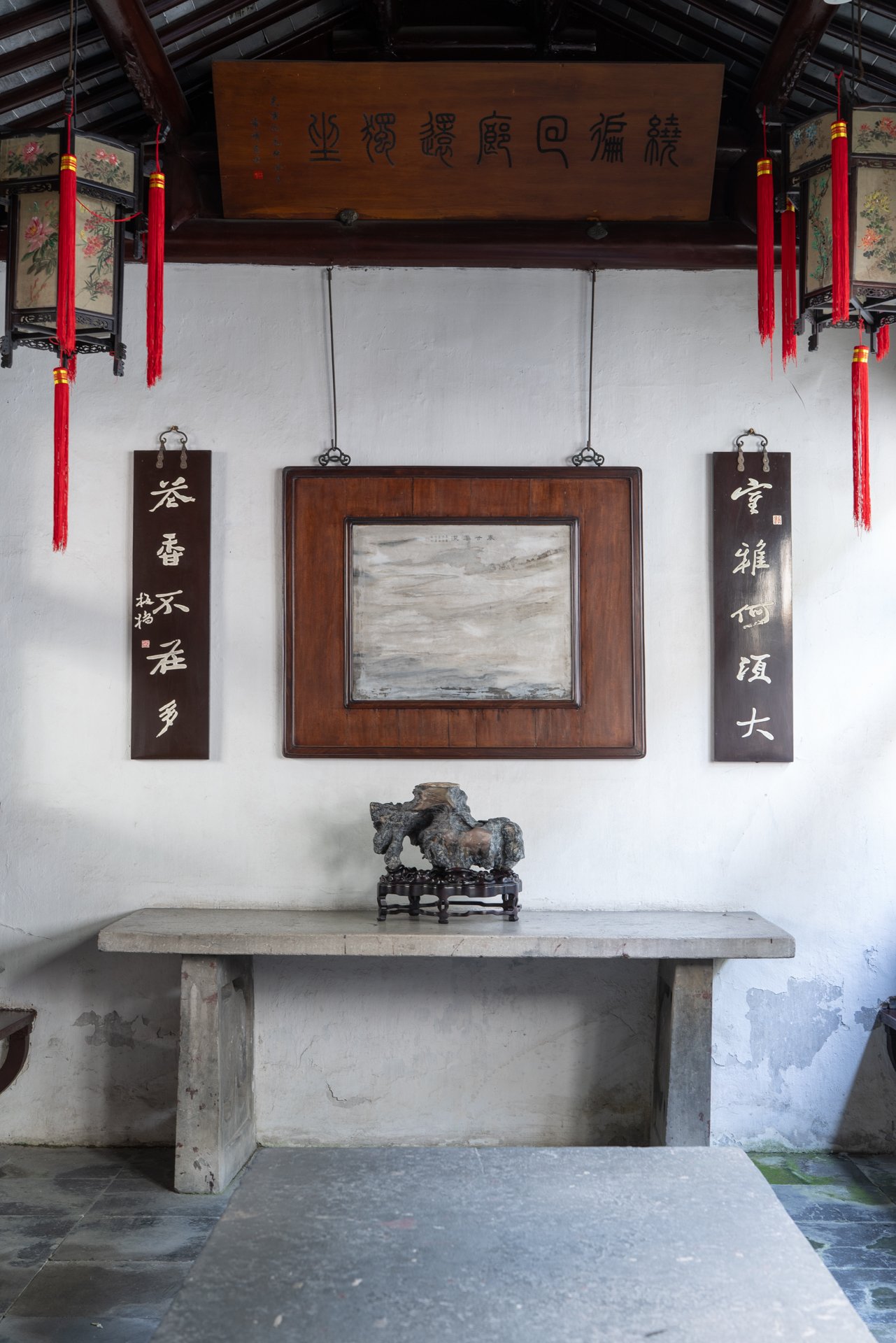
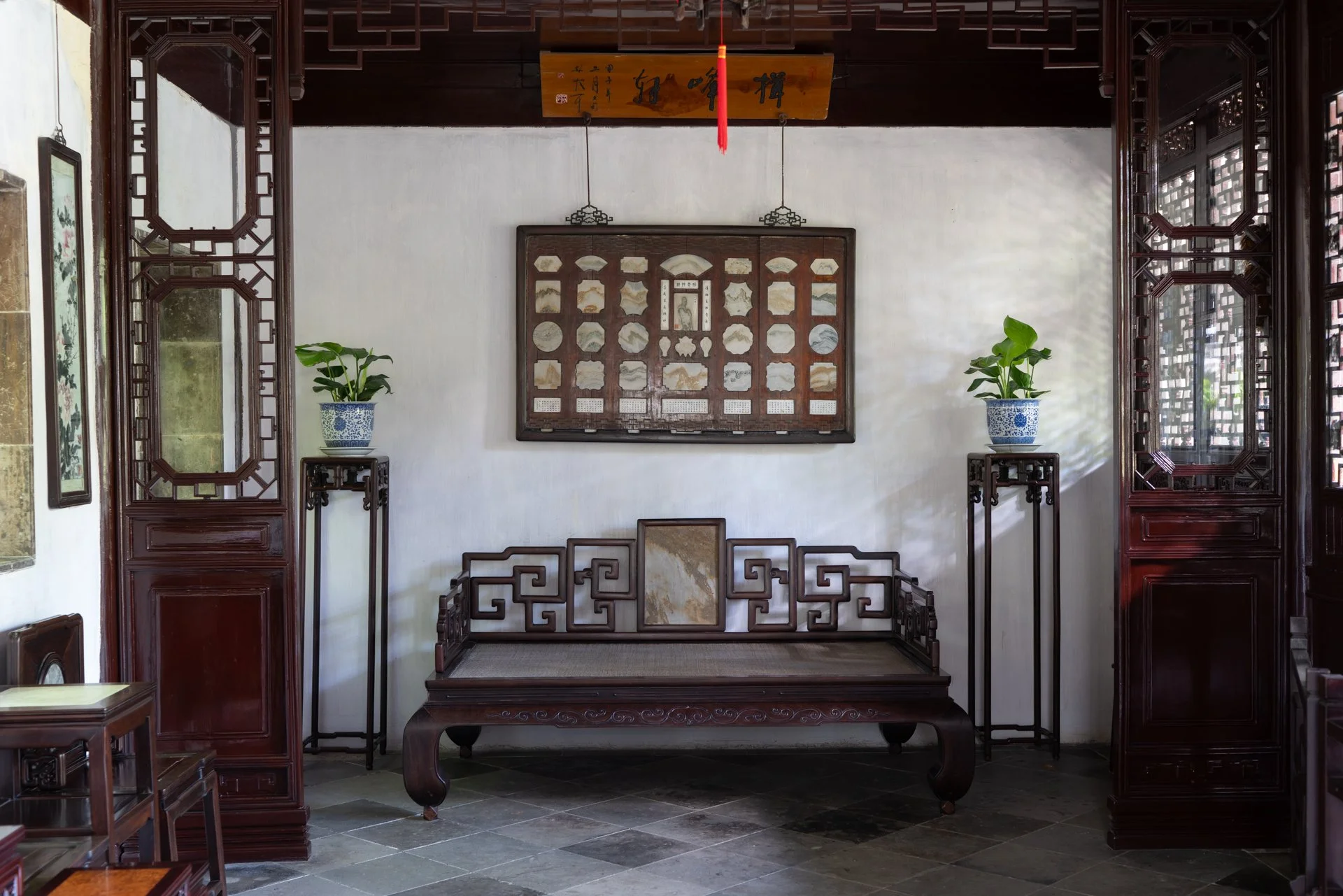
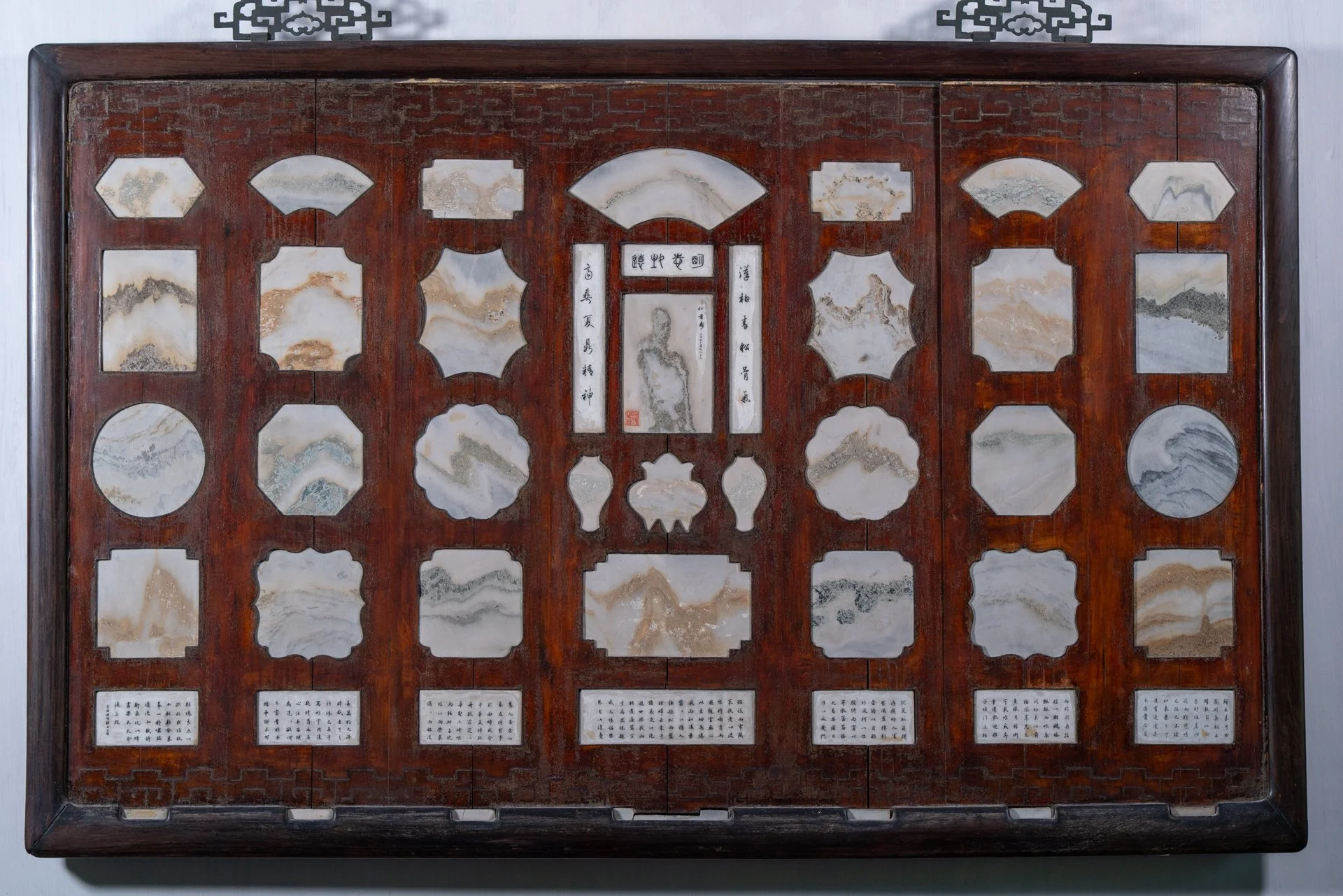
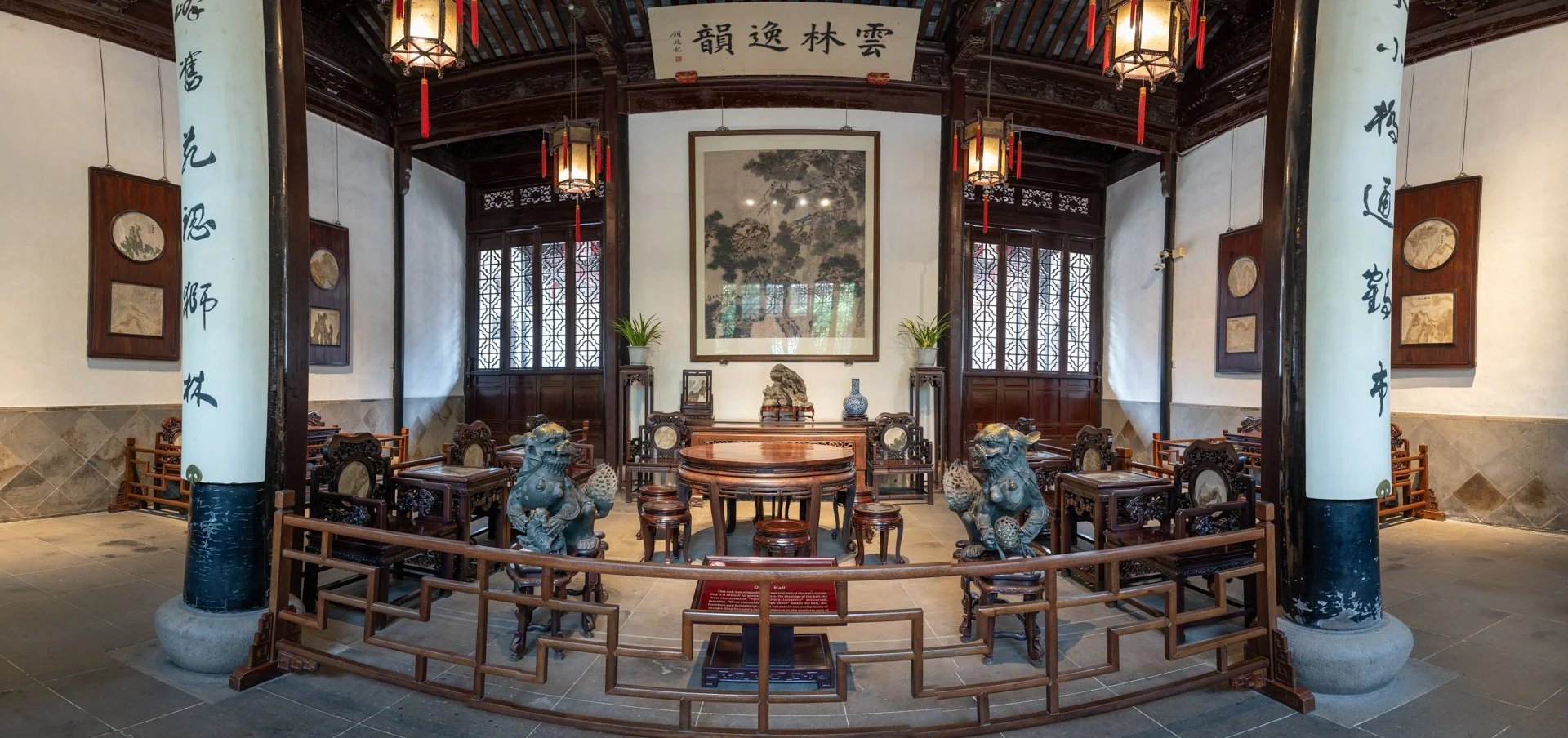
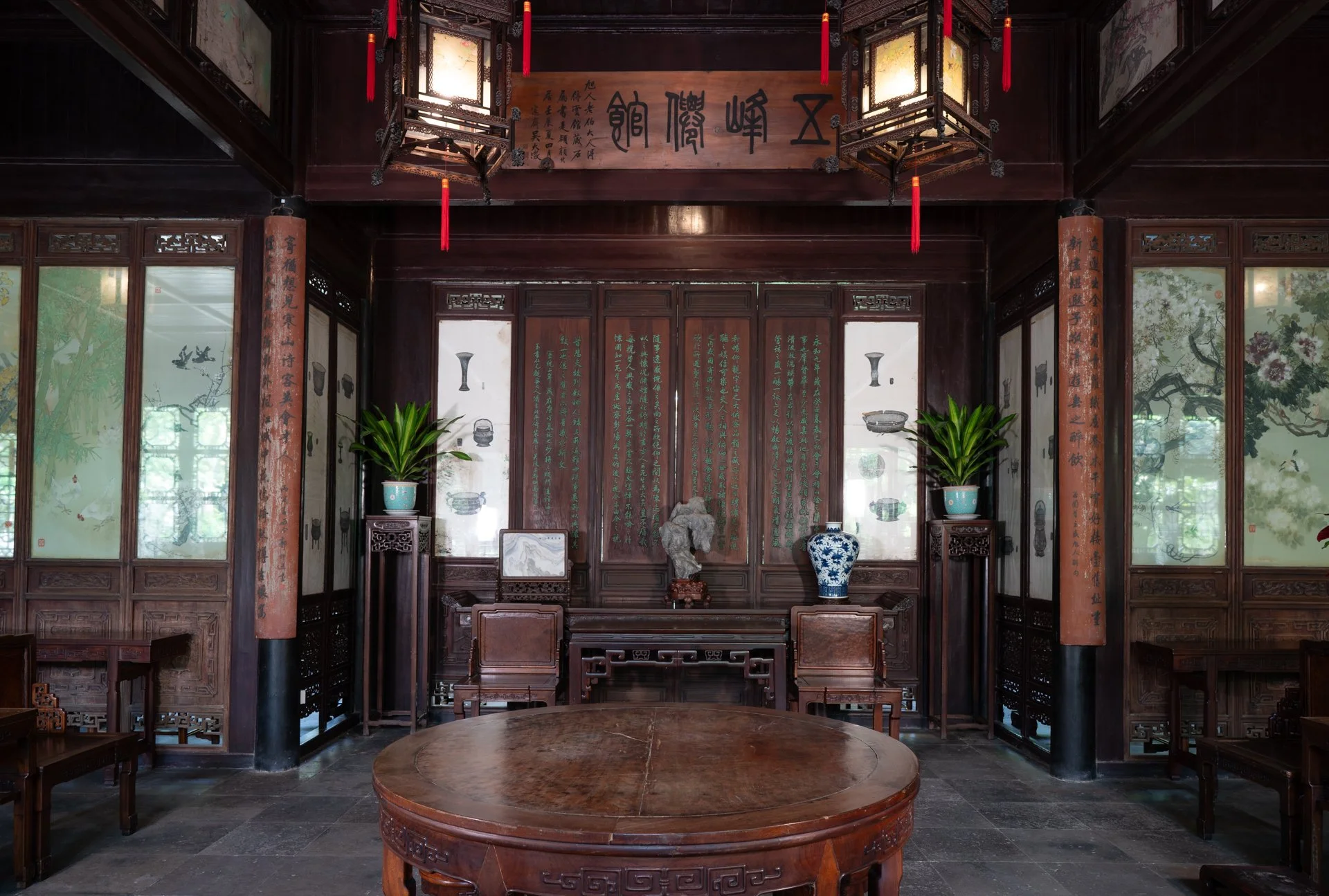
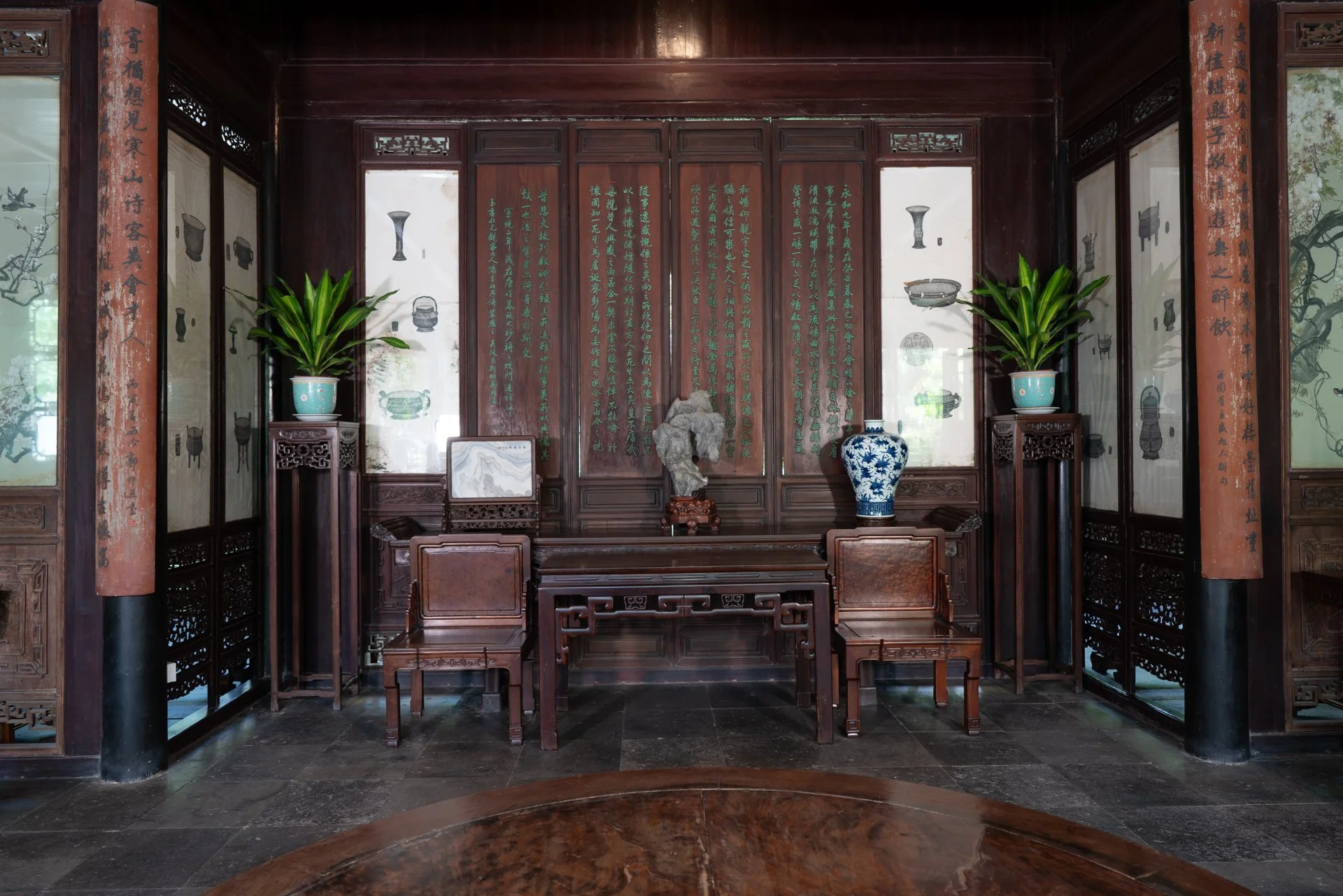
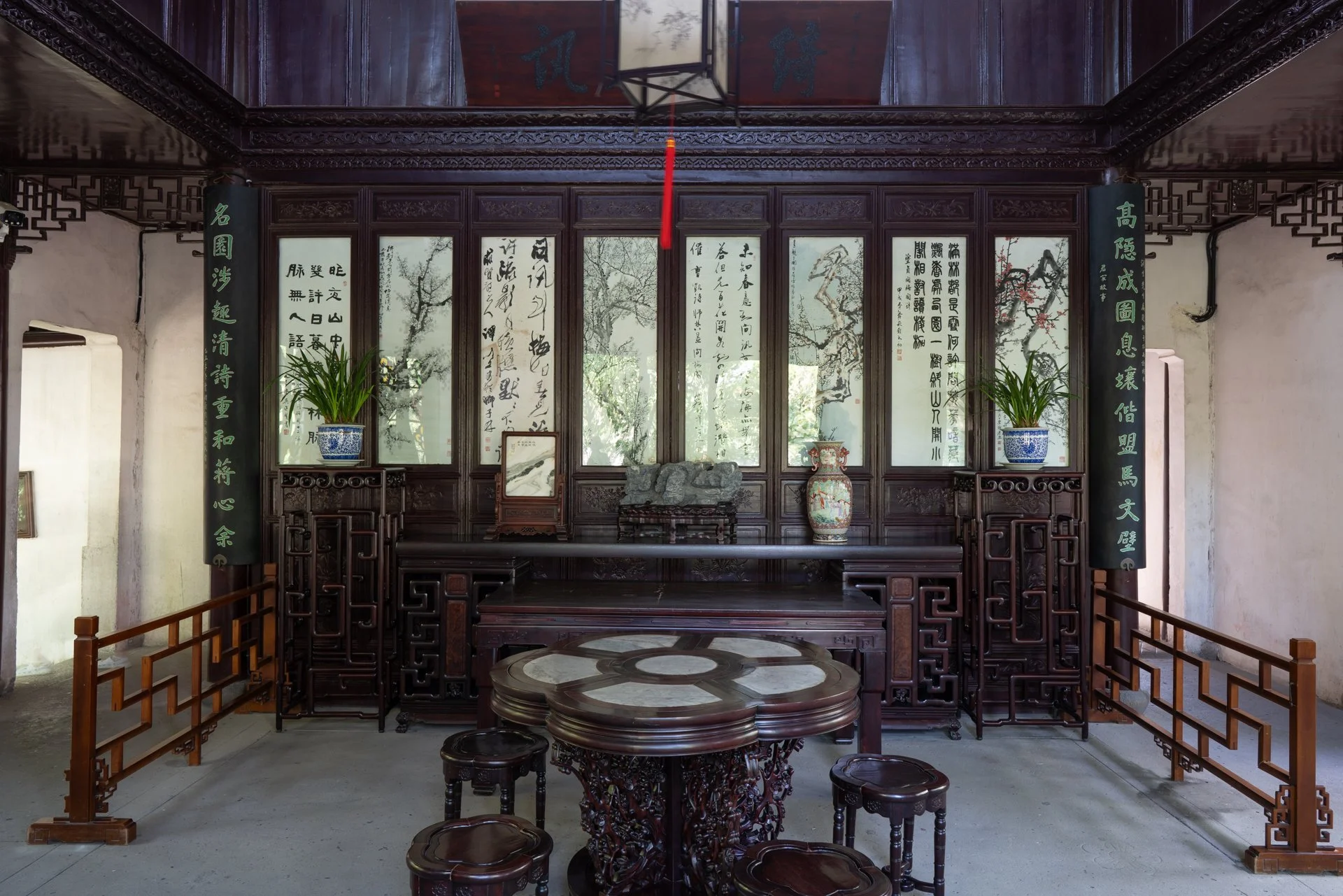
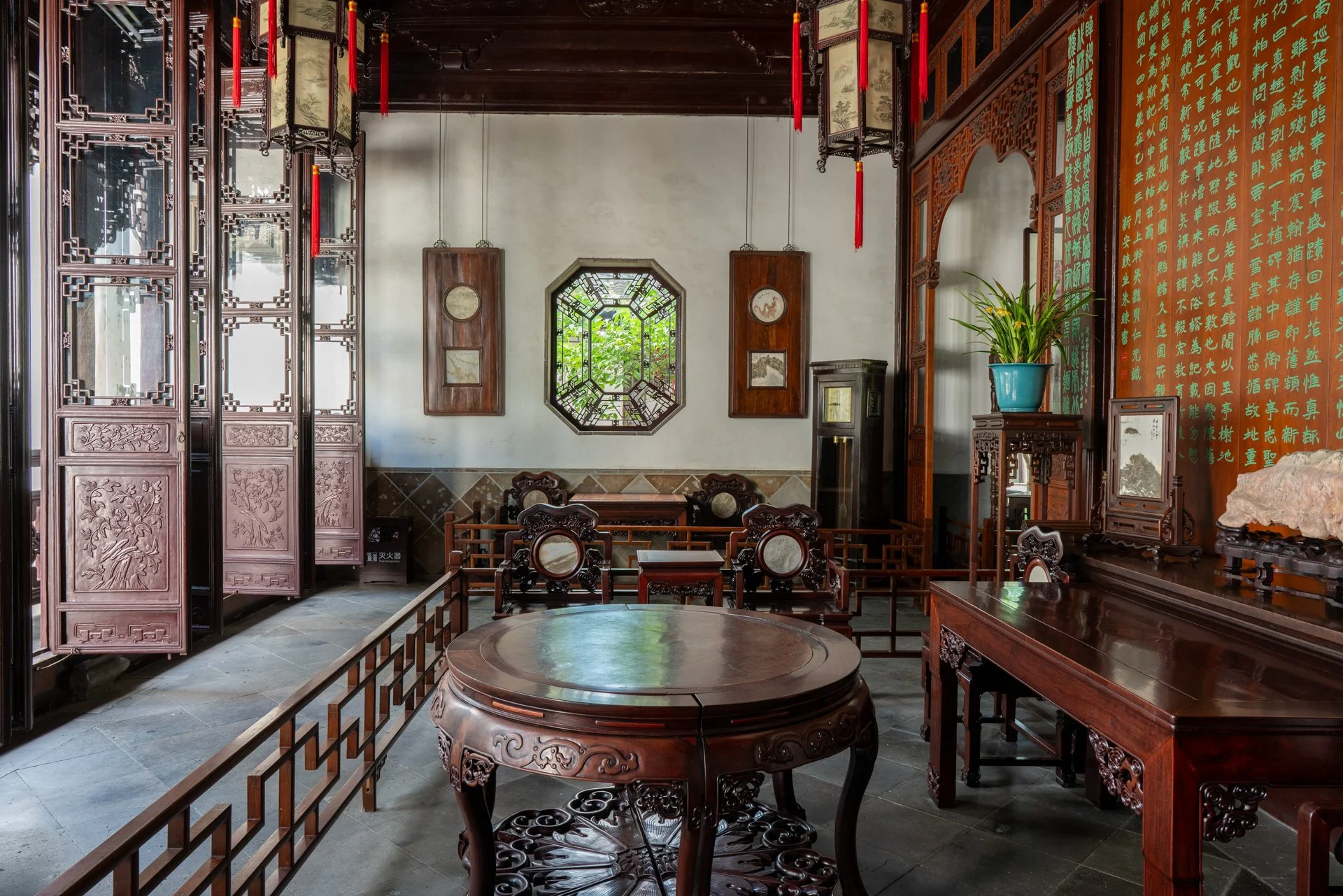
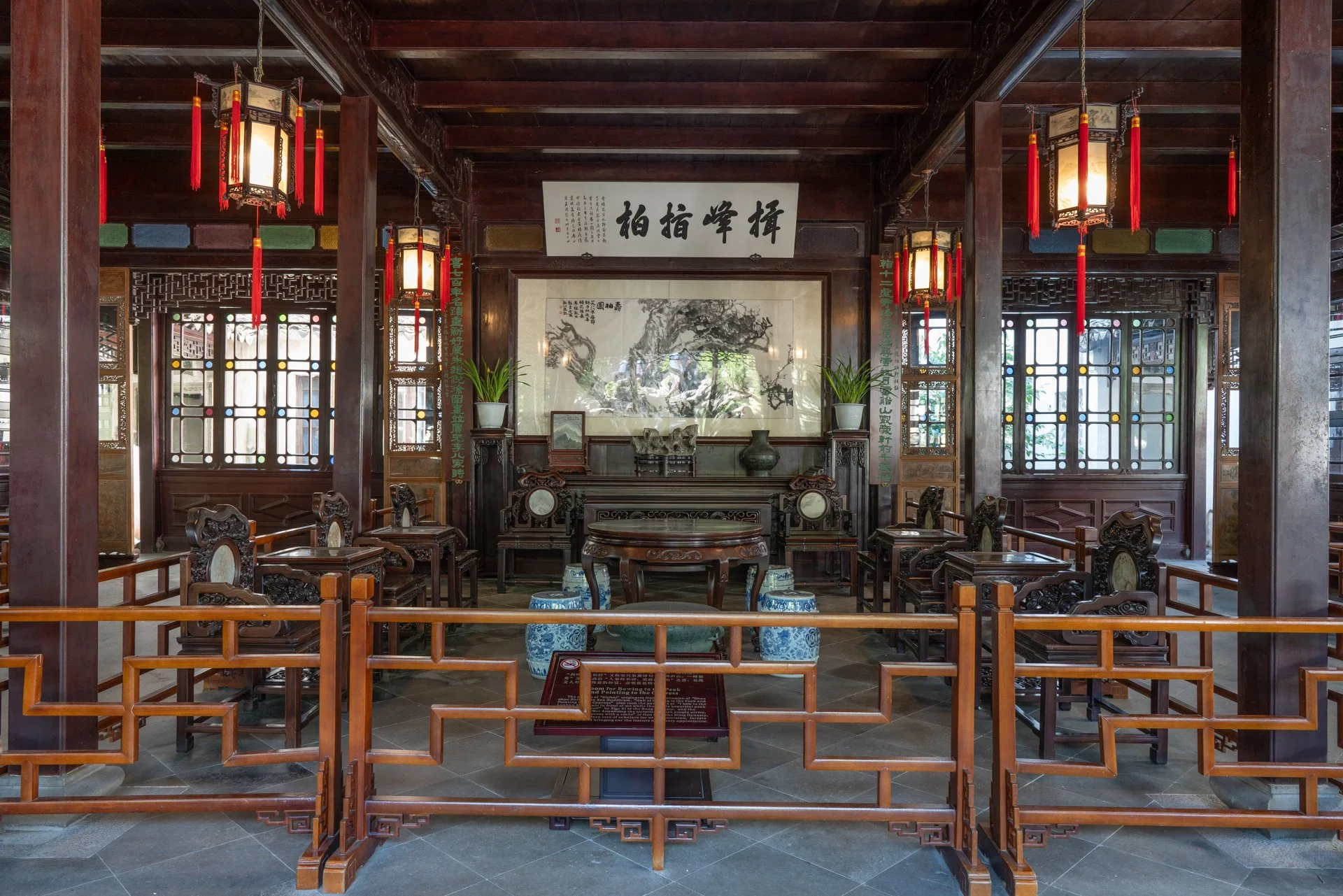
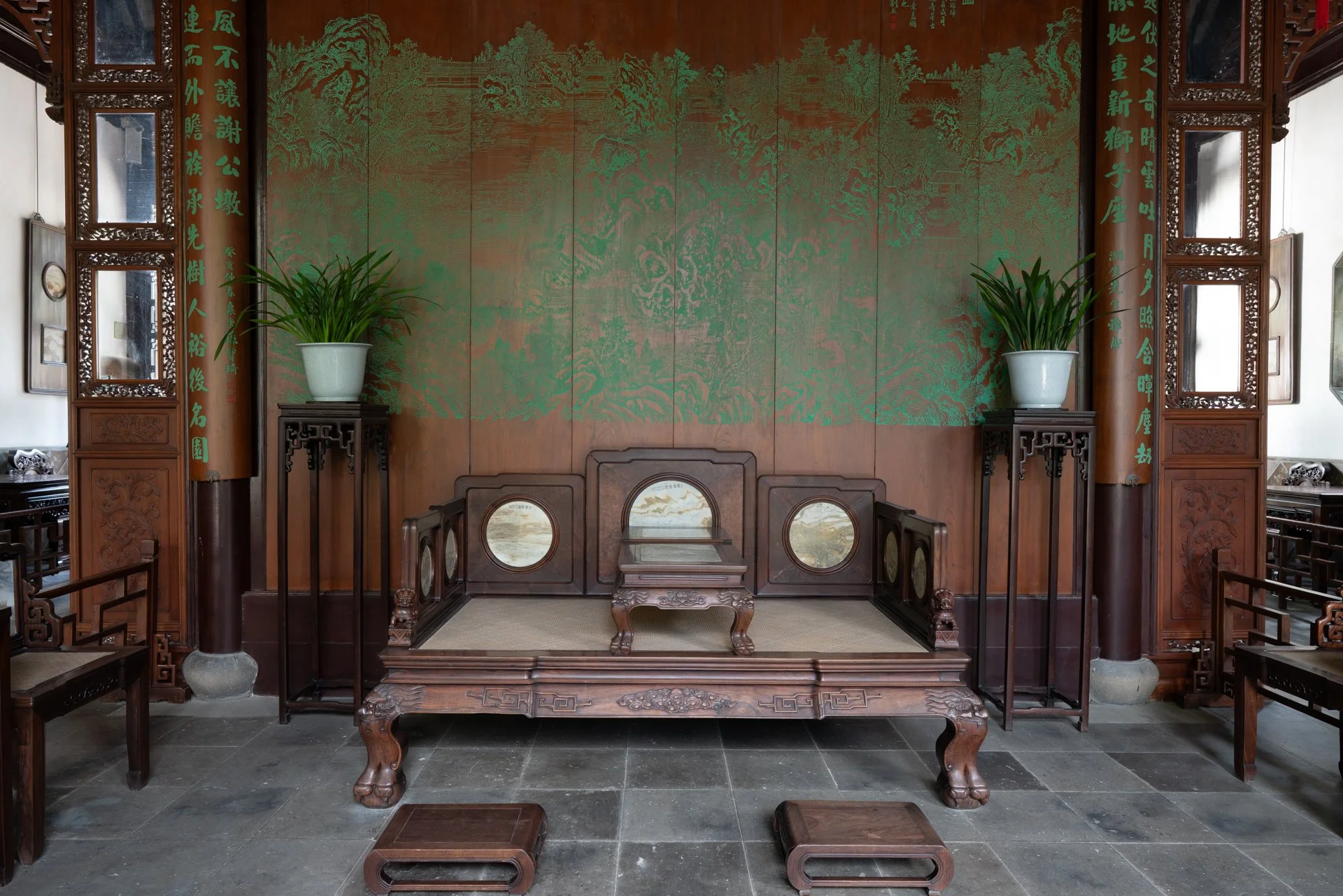
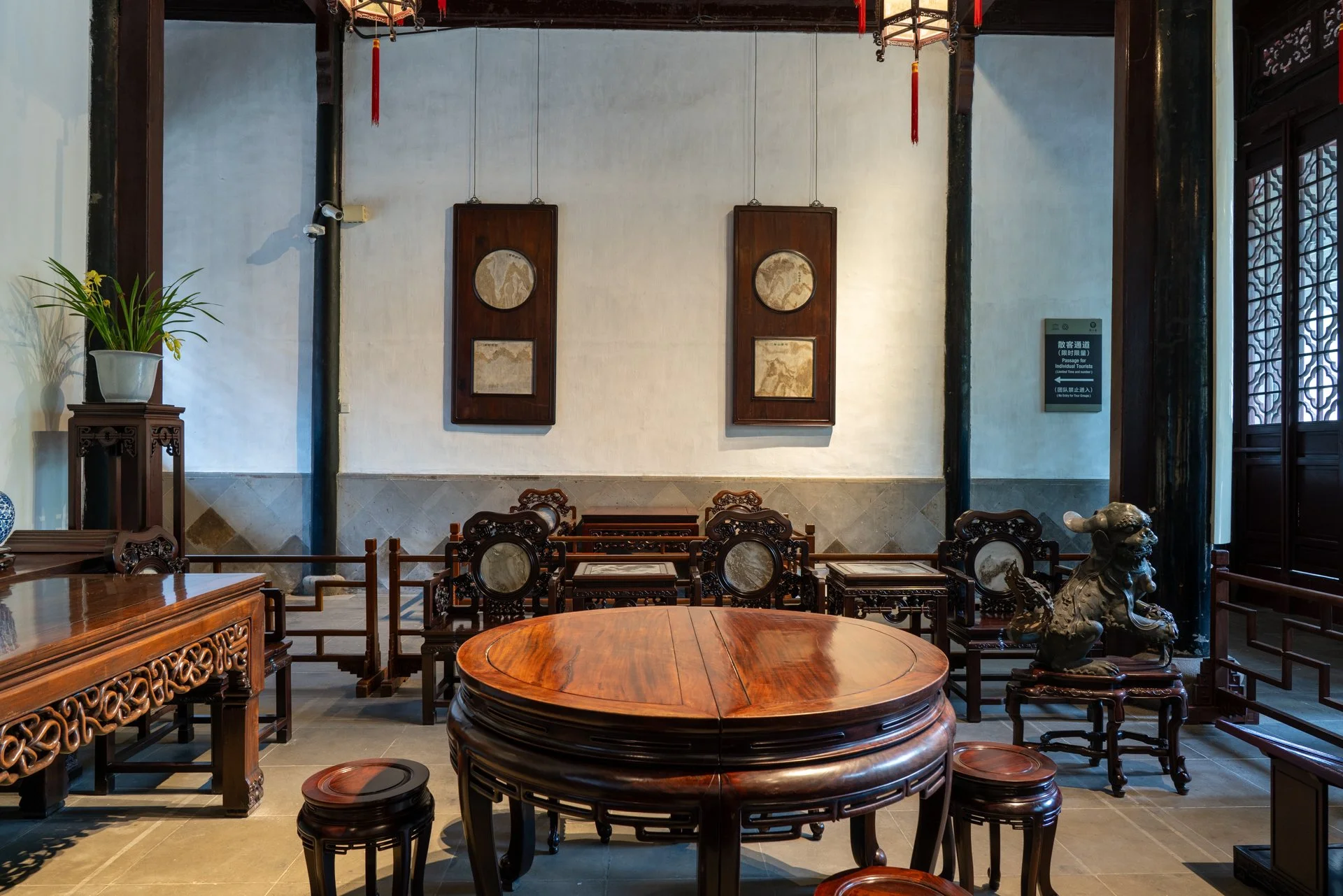
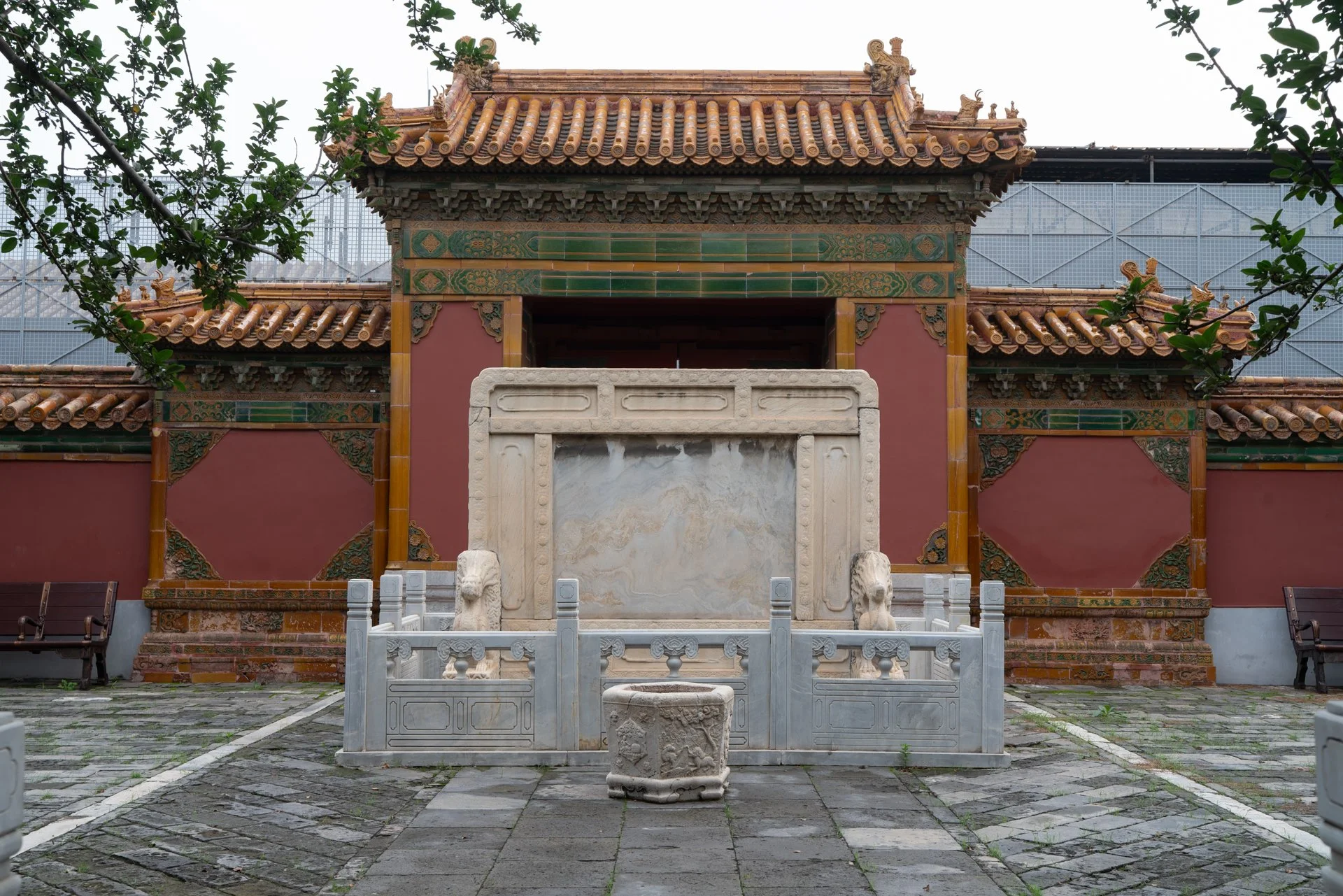
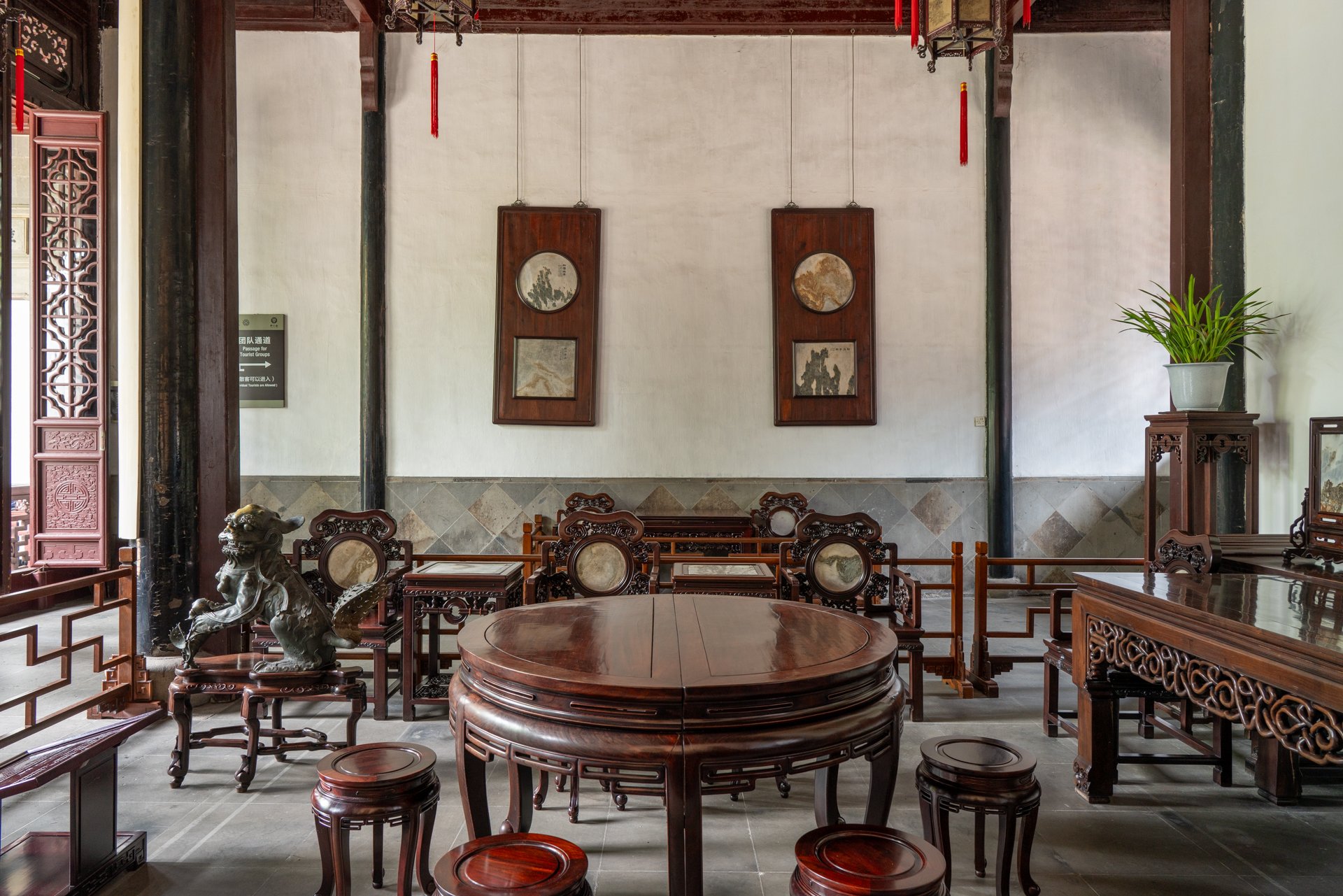
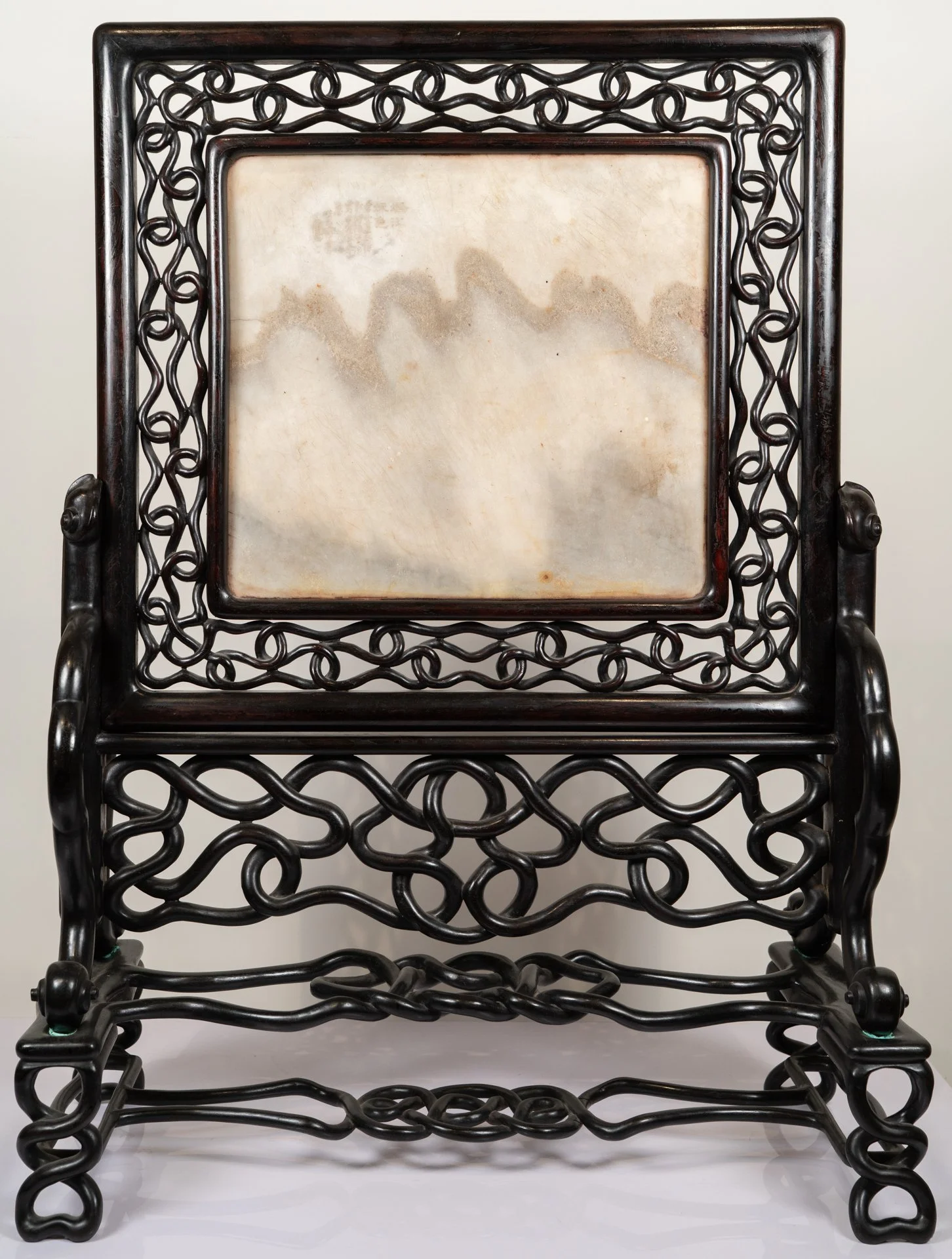
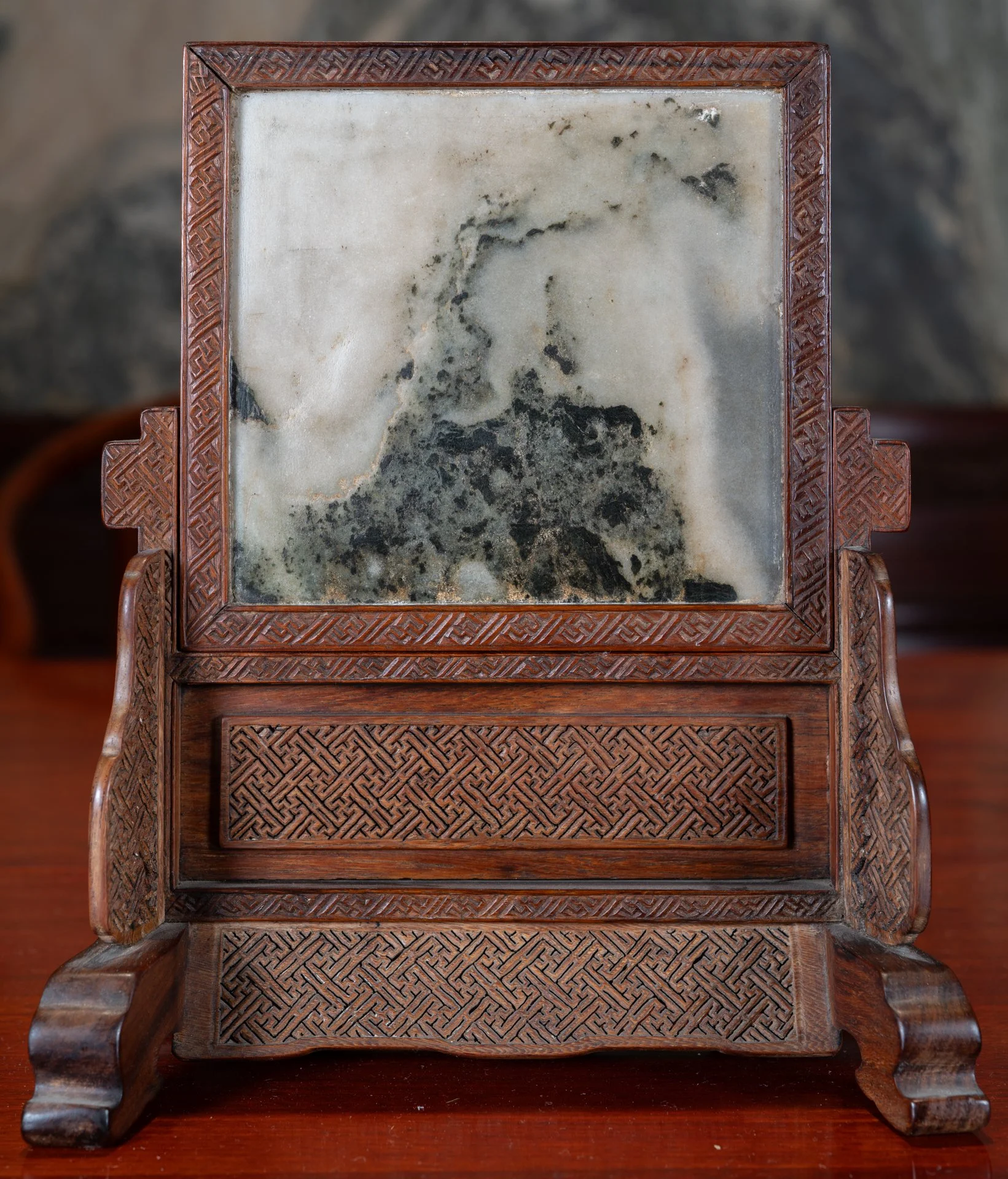
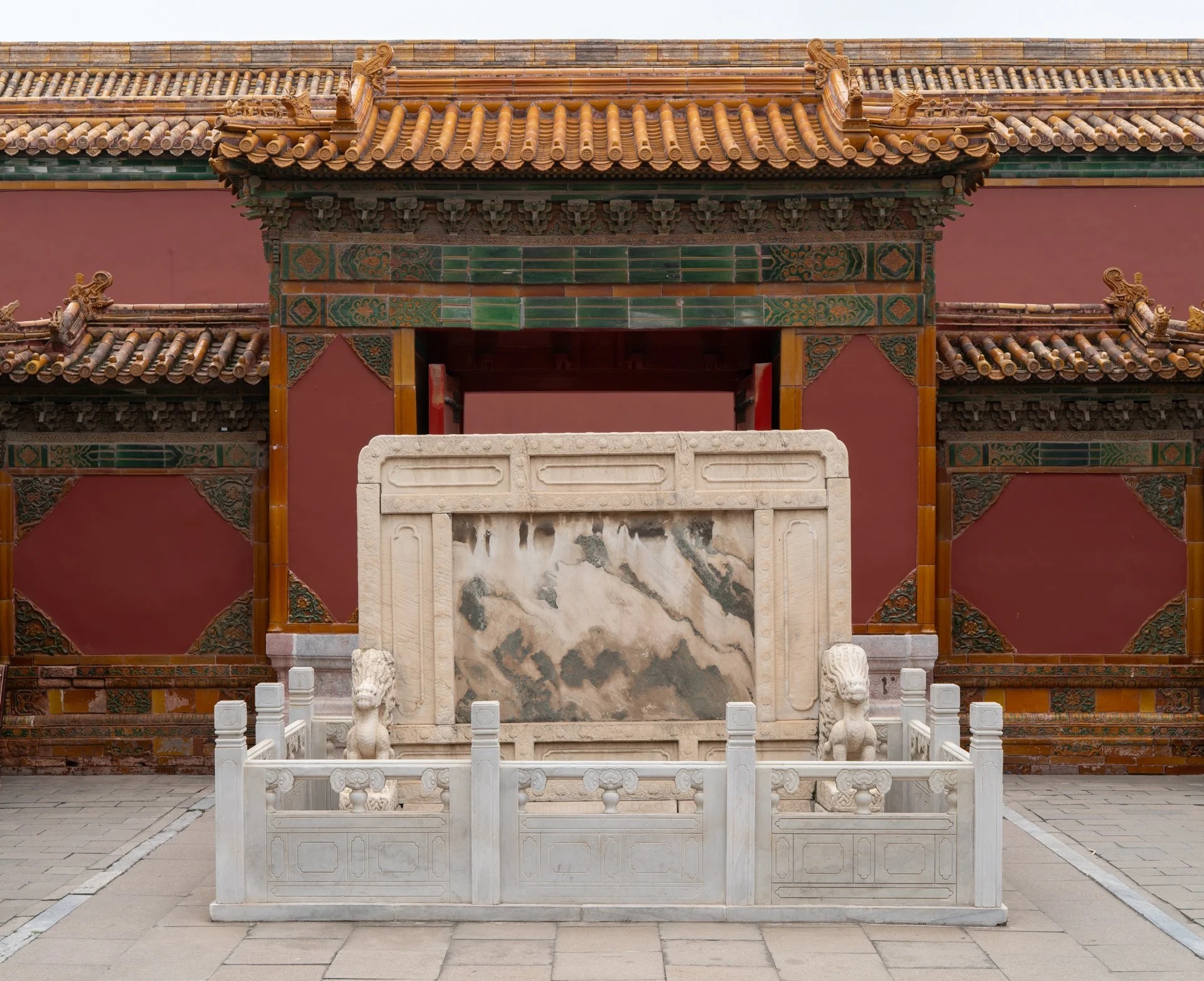
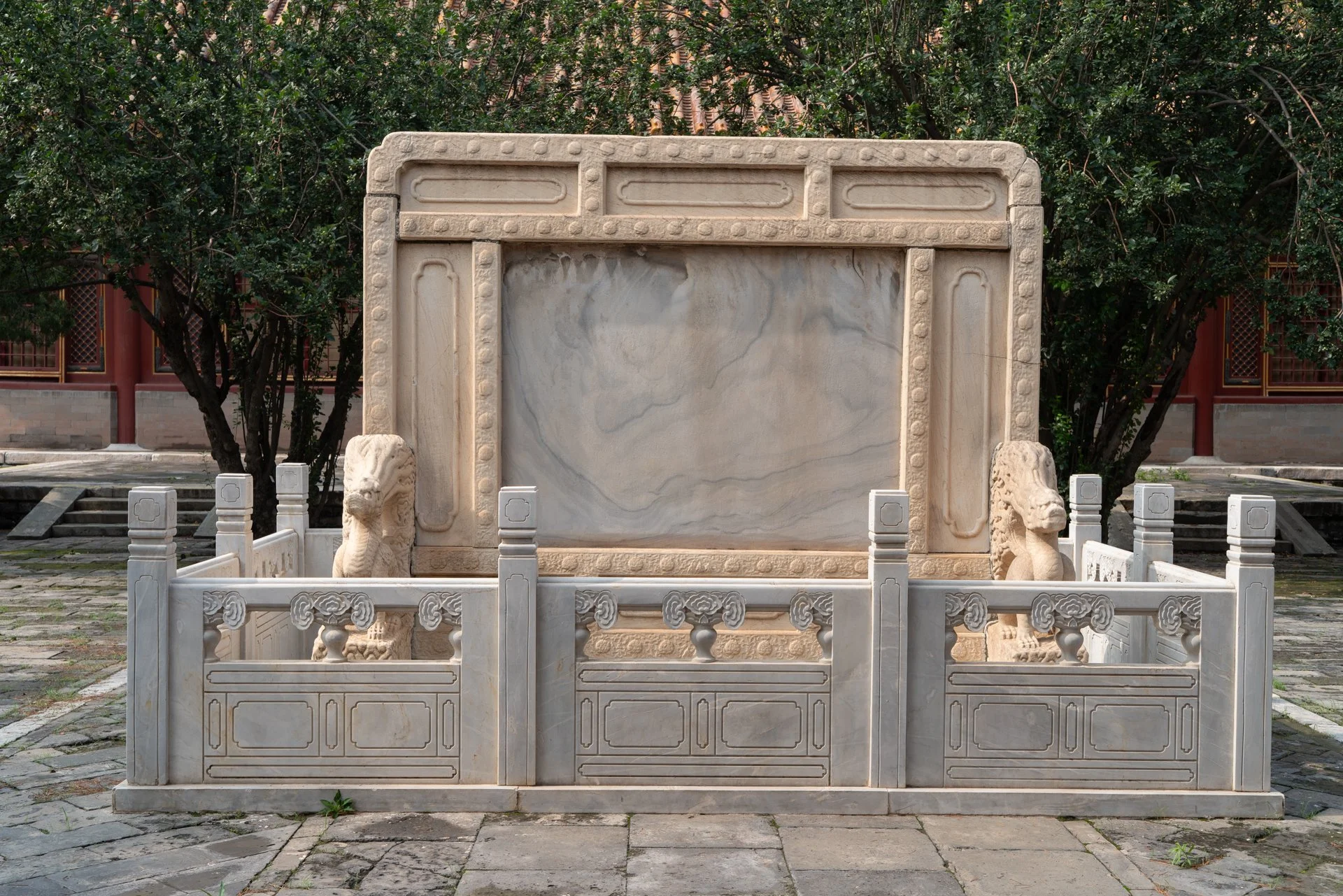
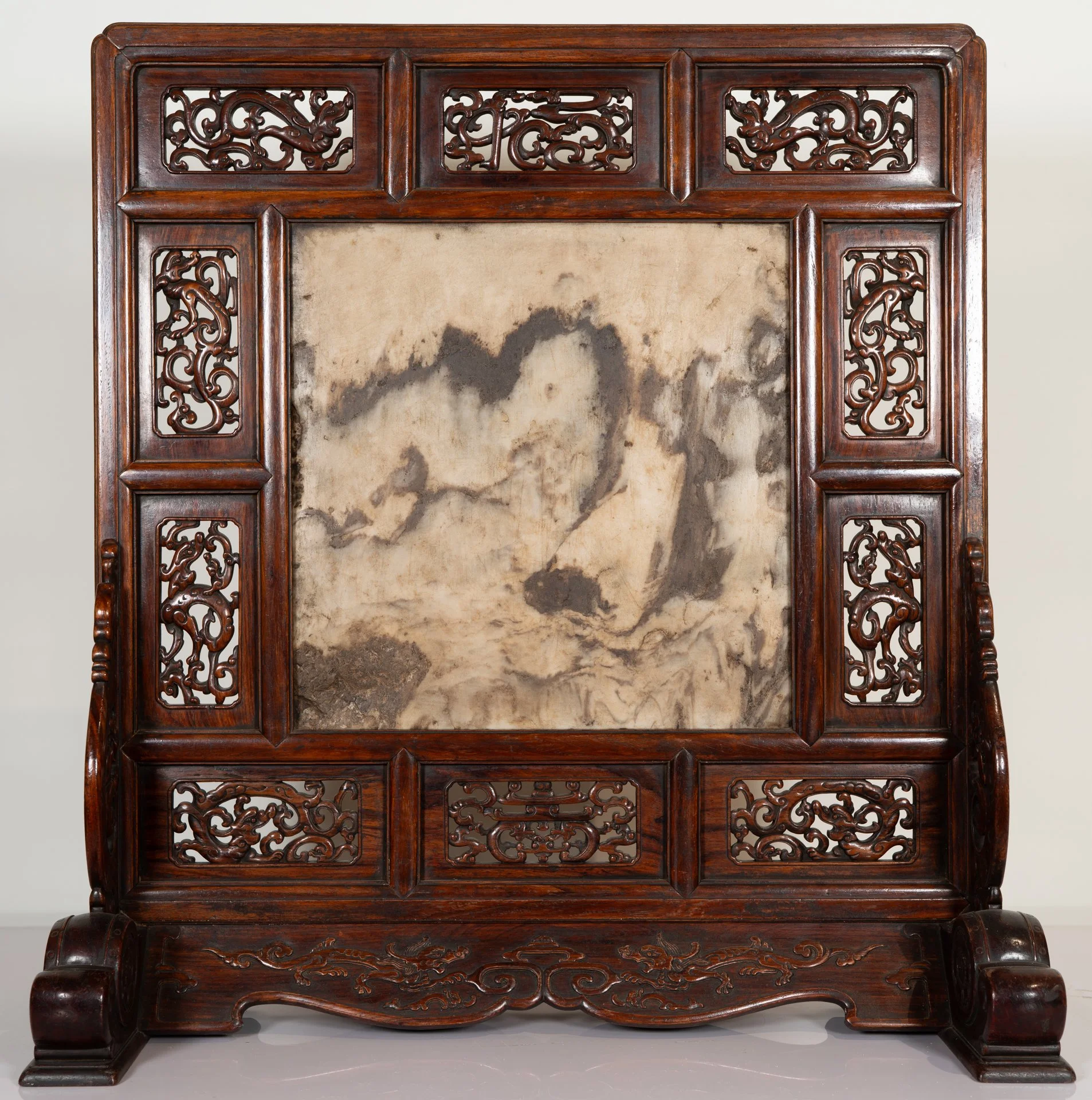
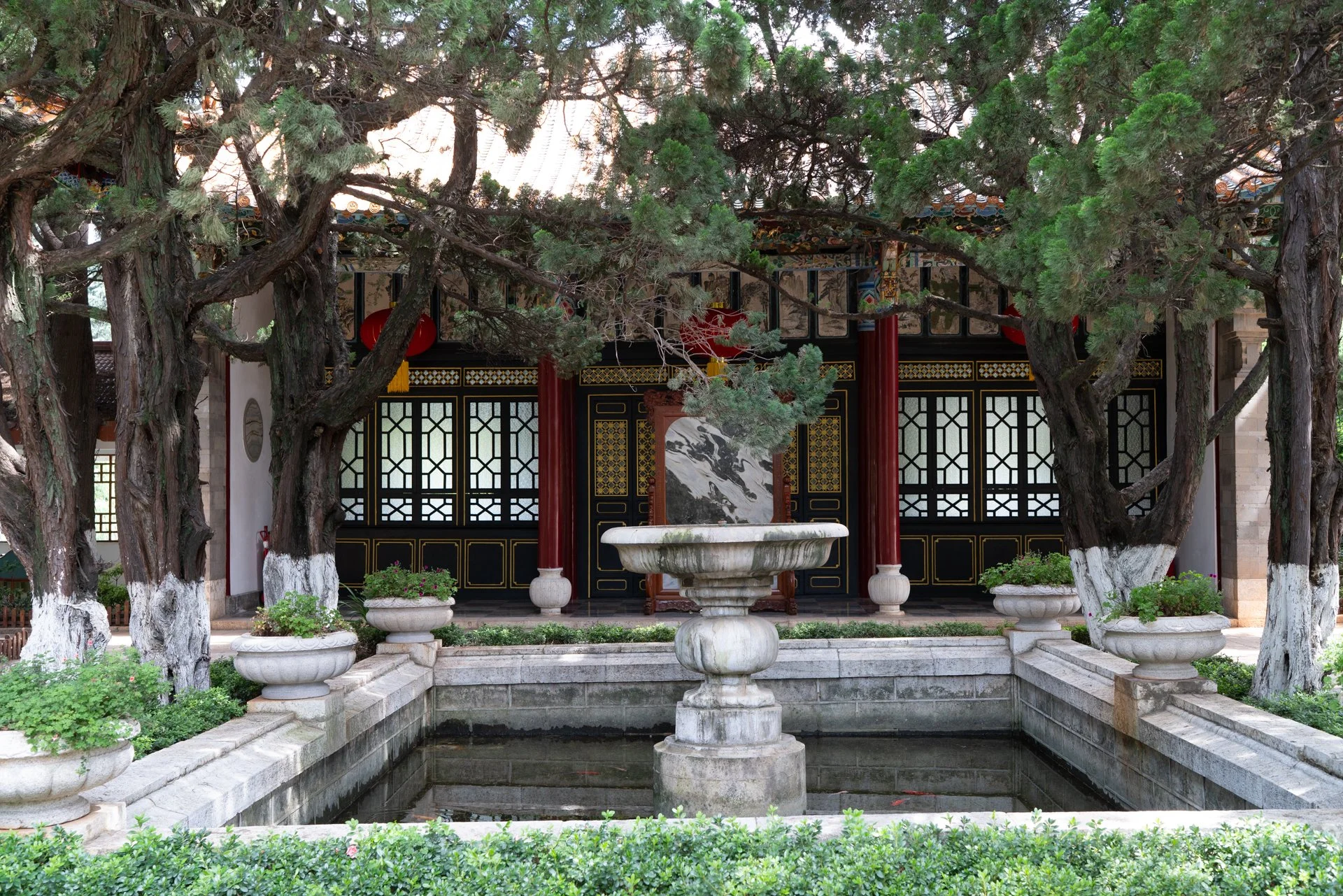
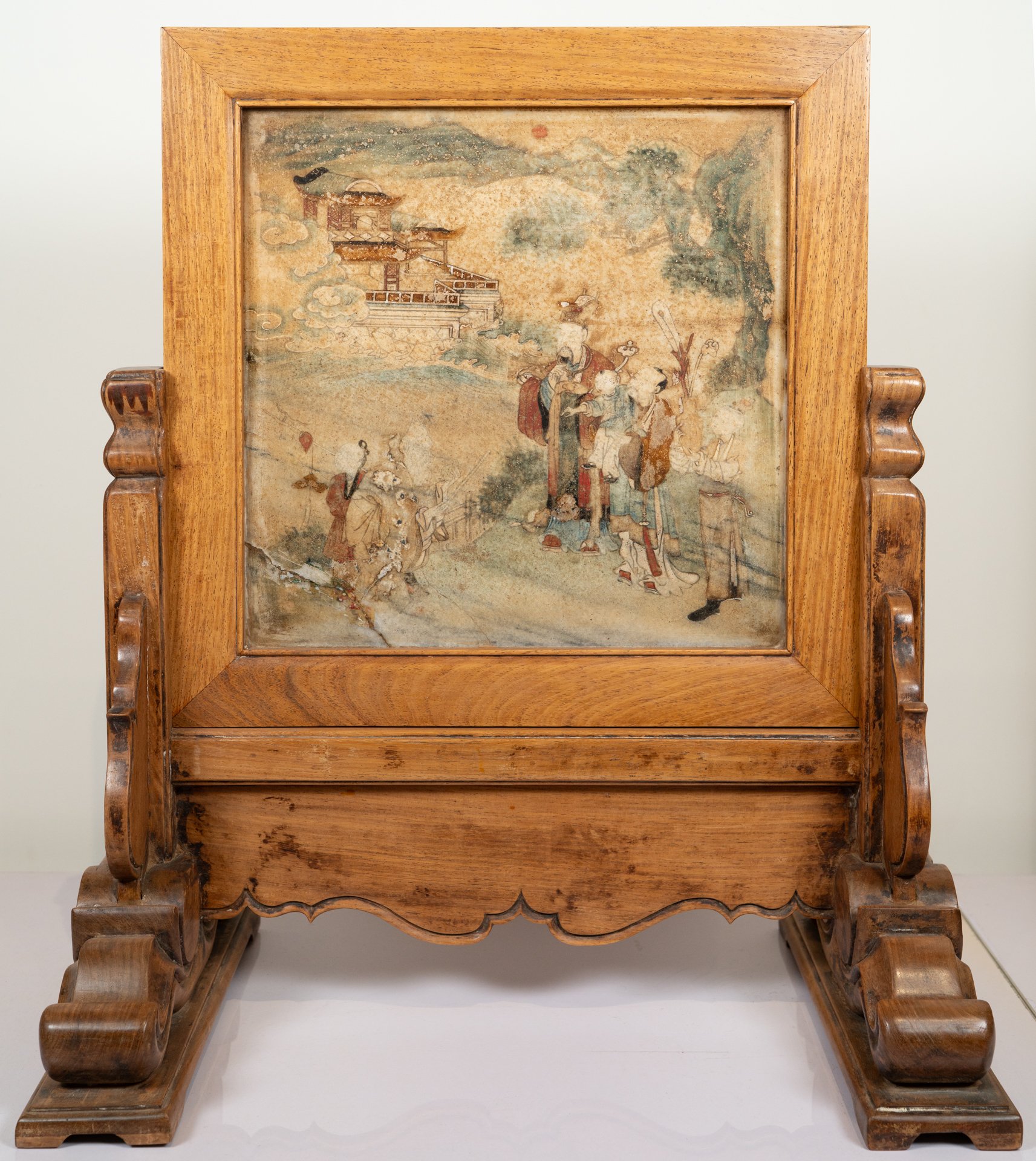
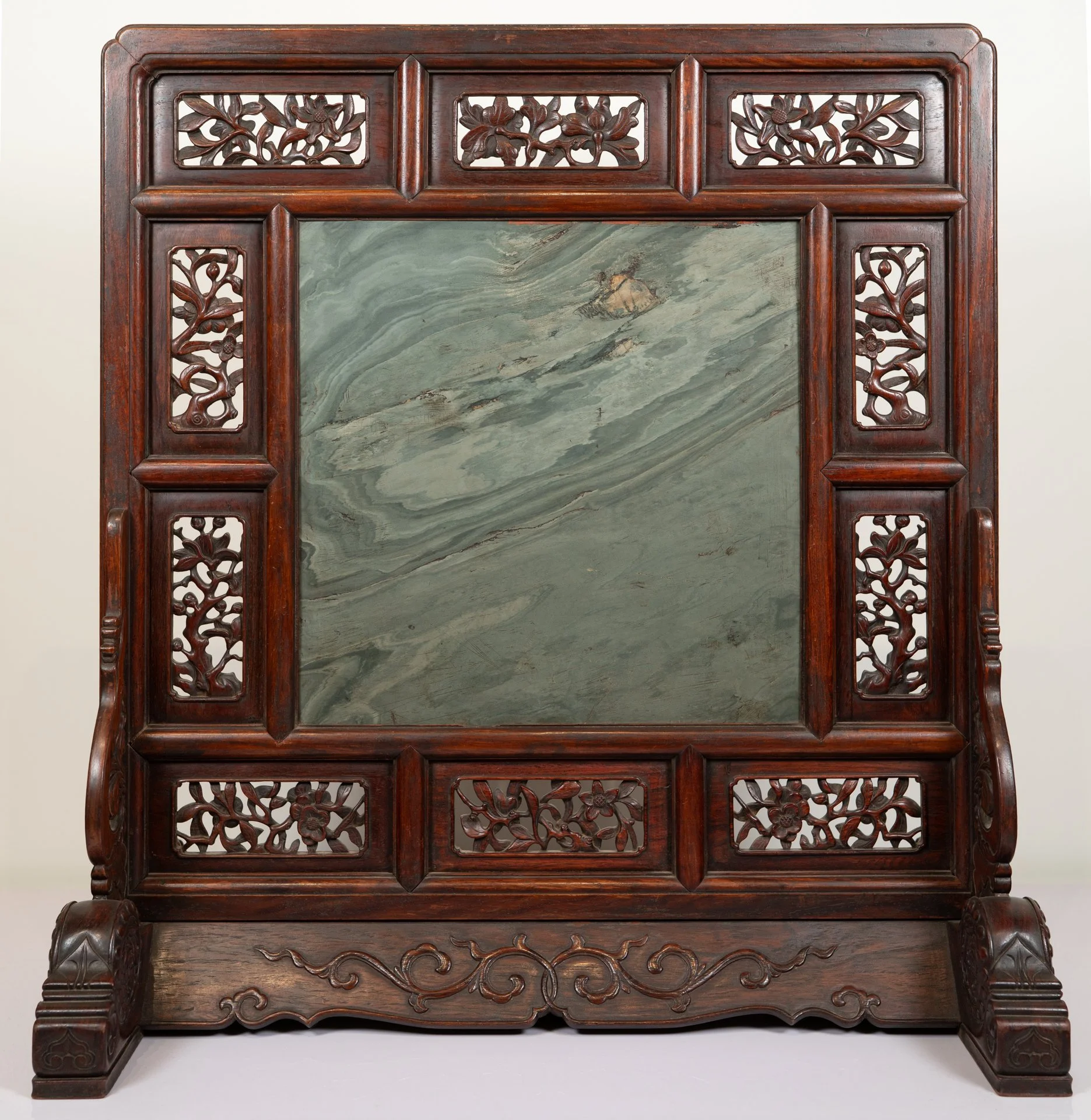
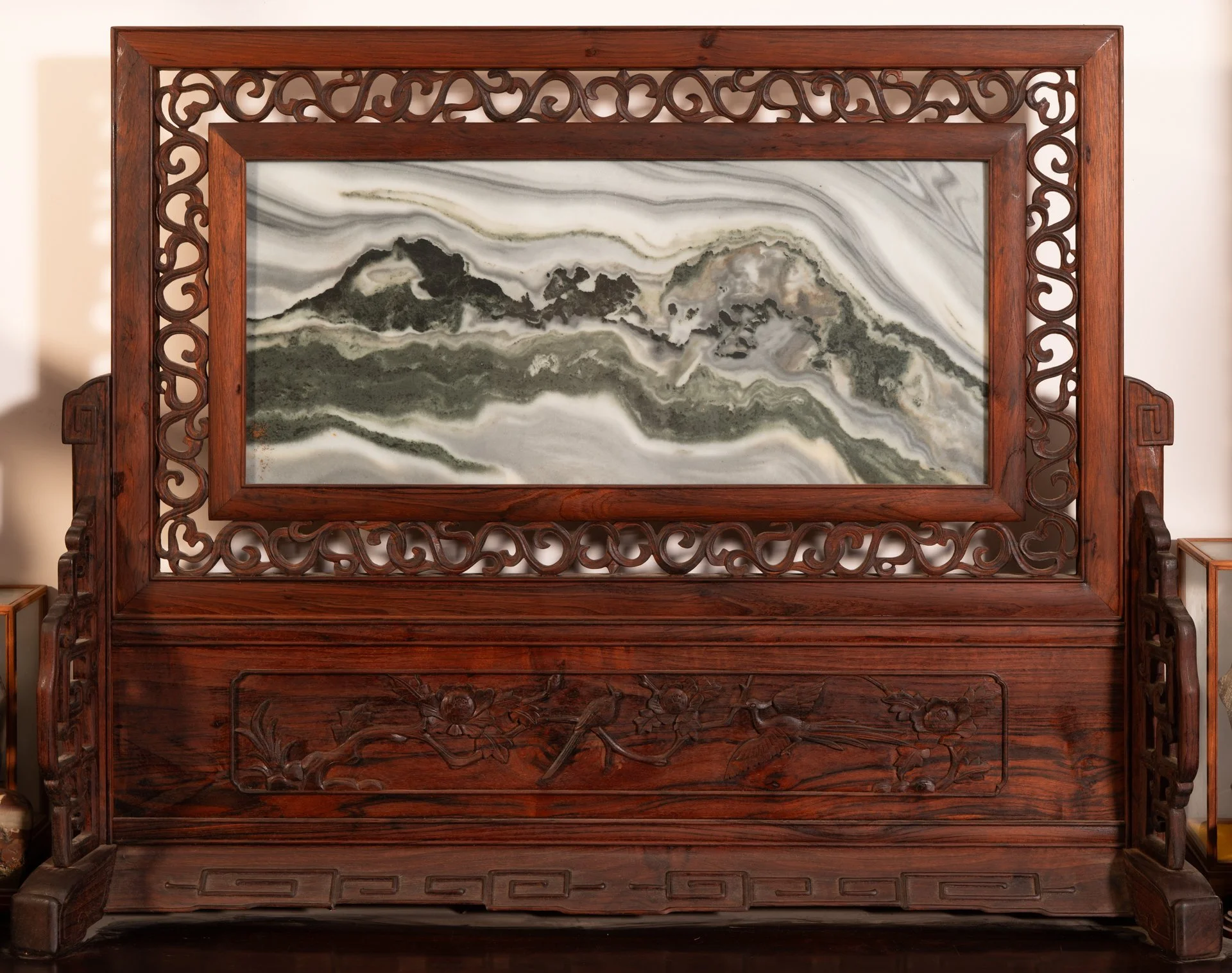
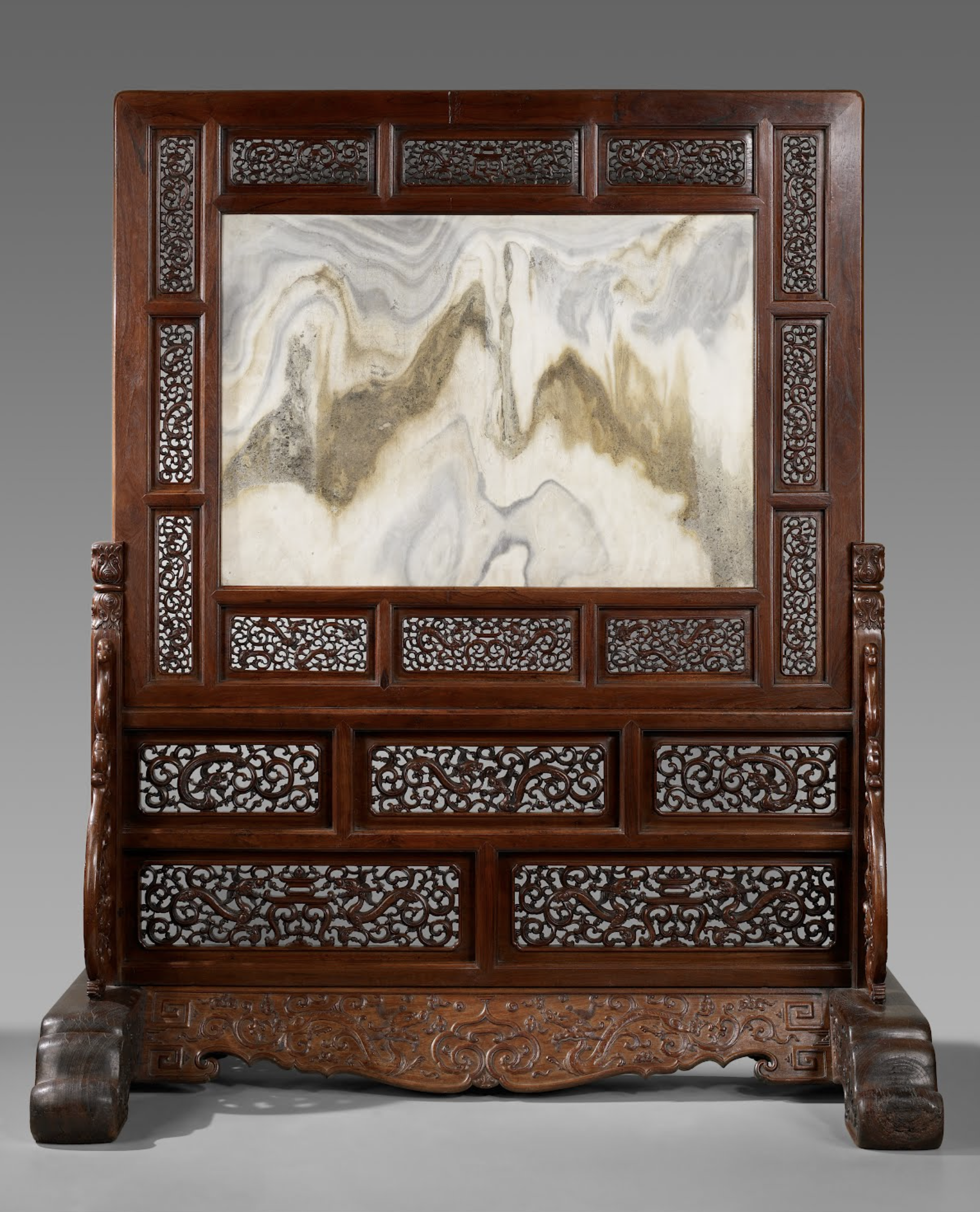
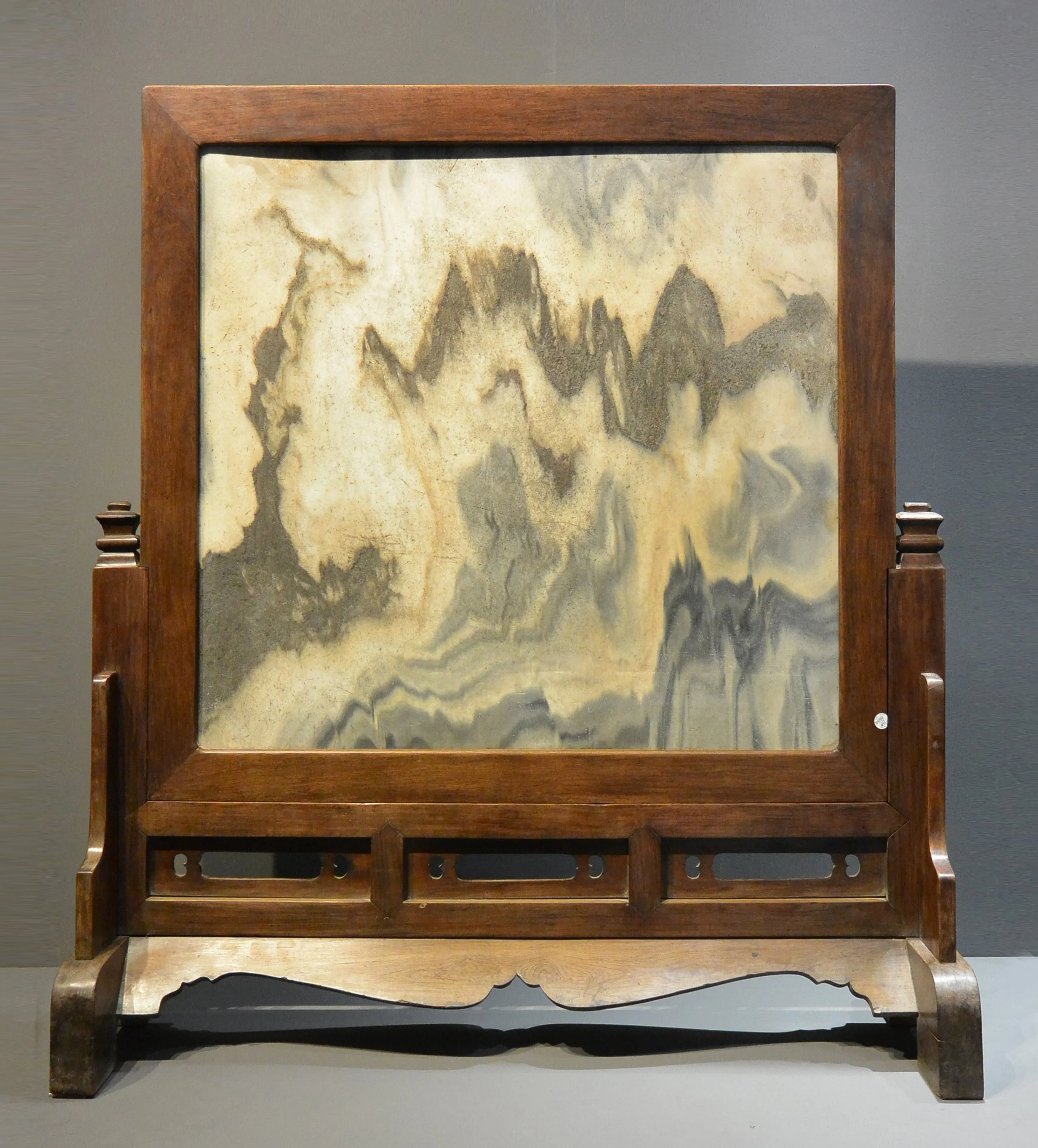
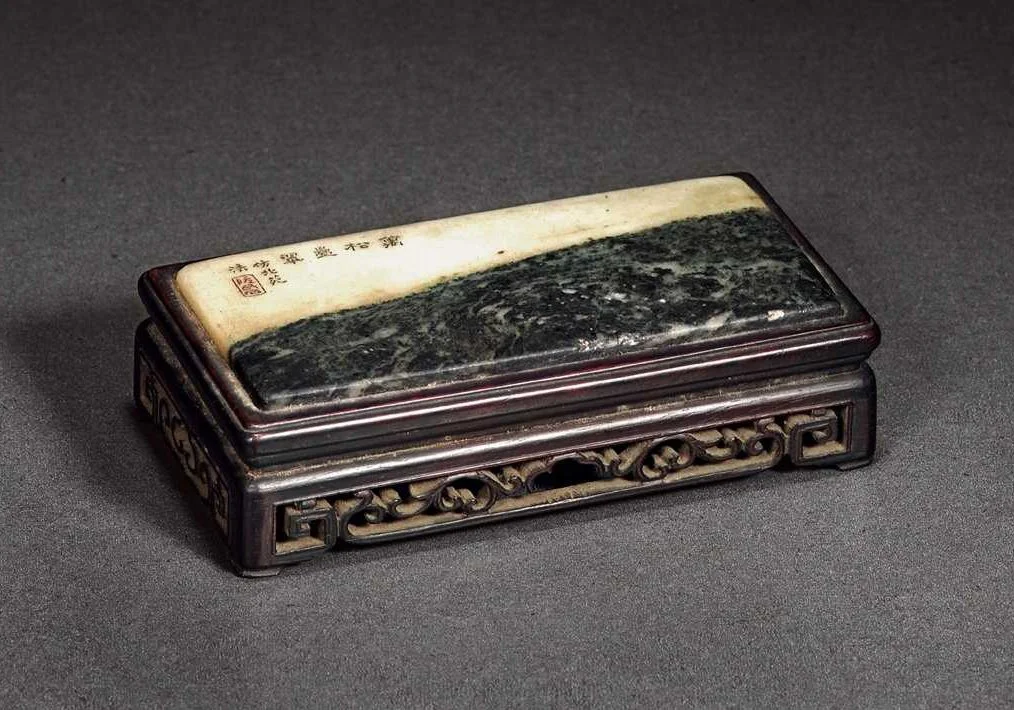
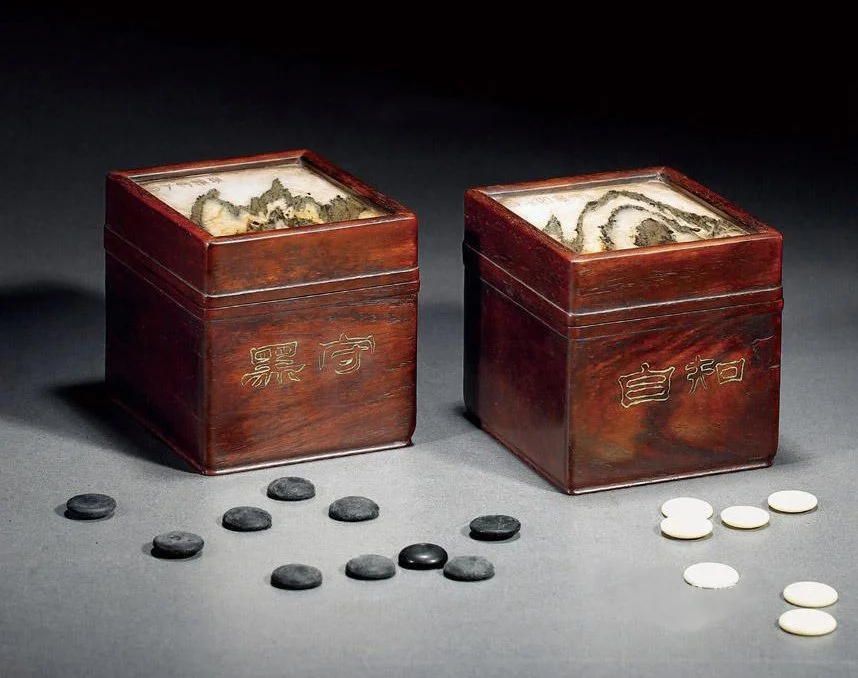
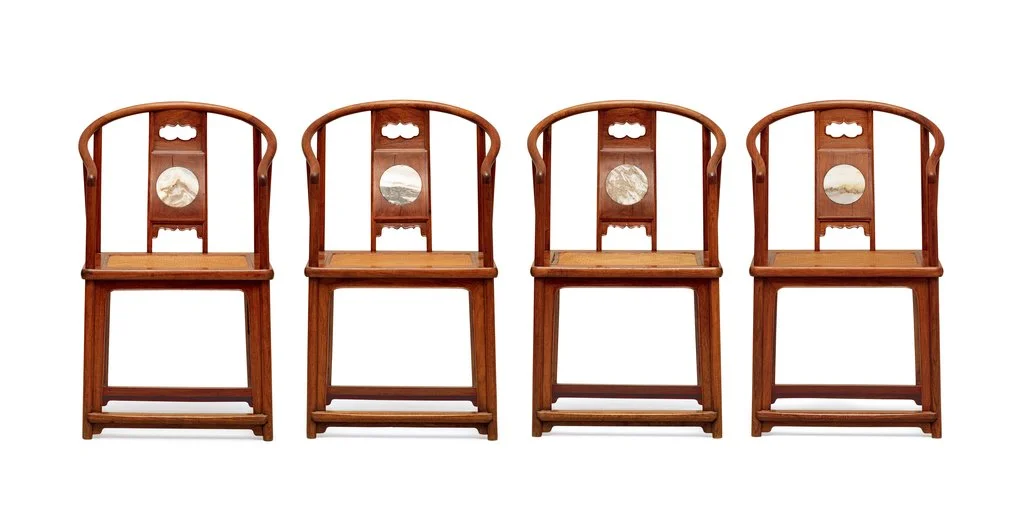
Marble, a natural stone shaped by millions of years of geological processes, is renowned worldwide for its fine texture, magnificent patterns, and rich colors. It is not only a precious building material but also carries deep cultural and aesthetic significance, holding a unique place in both Chinese history and Eastern culture. Since the Tang dynasty, marble has been quarried in the Dali region of Yunnan. In ancient times, limited technology and poor transportation made quarrying and transporting marble extremely difficult, so marble long remained a symbol of wealth and privilege. During the Yuan dynasty, marble screens began appearing in imperial collections and among scholars. By the Ming dynasty, marble had become an official tribute to the imperial court and was widely used to craft luxurious screens, furniture, and architectural decorations. In the Qing dynasty, this tradition continued; marble became a prominent feature in royal gardens and palaces, its value even surpassing that of famous paintings and calligraphy of the time. One of marble’s most captivating features is its naturally formed patterns, which often resemble landscapes, clouds, human figures, and other motifs, giving it a strong artistic appeal. Since the Ming dynasty, scholars have often compared marble to the famous paintings of the Song and Yuan dynasties, praising its “painting-like charm.” The Qing scholar Ruan Yuan further elevated marble to the status of a “stone painting” and pioneered the tradition of appreciating it through inscriptions, giving it a “poetic and pictorial essence.” In his Records of Stone Paintings, Ruan Yuan praised marble as “a work of the immortals” and called it “the fairy of painting,” thereby solidifying its lofty status as an art form. Marble is not merely a material treasure but also a vessel for the spiritual aspirations of scholars. From Yuan dynasty figures like Ke Jiusi to Qing dynasty scholars like Ruan Yuan and countless epigraphers, many have enriched marble with humanistic meaning through poetry and inscriptions, transforming it into a unique art form that blends natural creation with the human spirit. In the imperial court, marble symbolized ceremony and power. This is evident in the large cloud-patterned marble screens in the Jingren and Yongshou palaces of the Forbidden City, and in the “Dragon and Phoenix Auspicious Stone” in the Hall of Prayer for Good Harvests at the Temple of Heaven. Among the people, marble was a sign of elegant living and refined taste, and it was commonly displayed in classical gardens and scholarly residences. With its naturally beautiful patterns, rich cultural heritage, and relatively limited practical use, marble in ancient Chinese society served as both a symbol of material luxury and a vessel of spiritual aesthetics. It permeates the history of Chinese art, collections, and daily life, embodying the Eastern philosophical ideal of “harmony between nature and humanity” and a deep reverence for natural beauty. Marble thus stands as a unique cultural symbol connecting nature, art, and humanity.
Project period: 2021-2023
Exhibition: none
Publication: none